
Contacts

92 Bowery St., NY 10013

thepascal@mail.com

+1 800 123 456 789

Category: Articles

Shankar ji 02
Articles

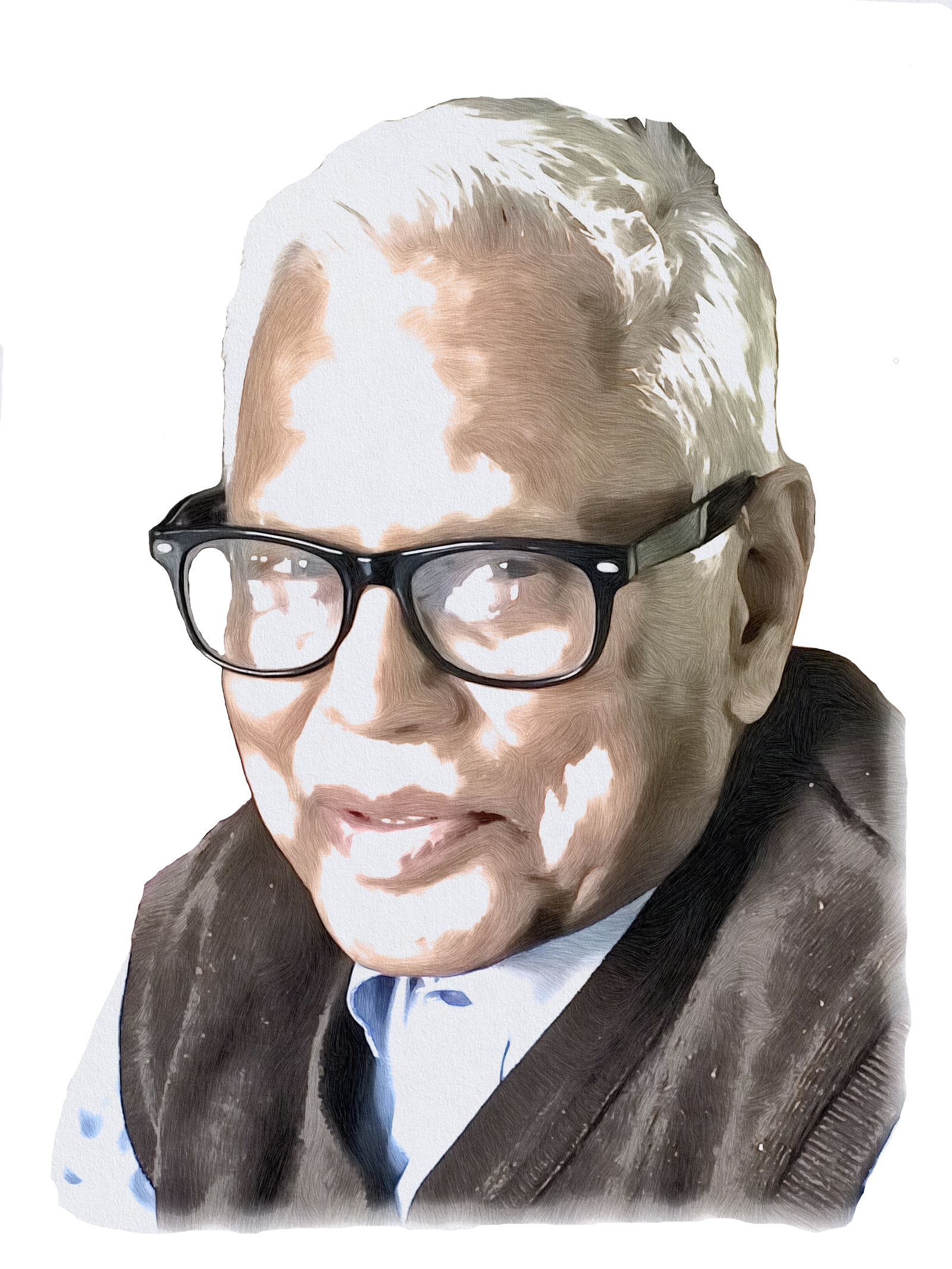
Dr Shankar Rao Tatwawadi

A Pioneering Pracharak
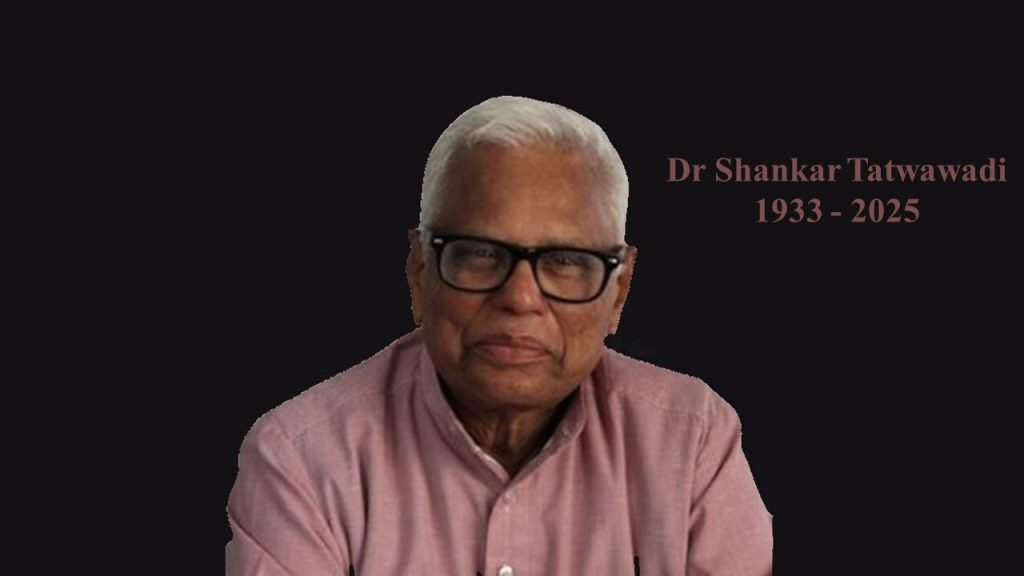
It is with profound sadness that Hindu Swayamsevak Sangh (UK) along with the Global Hindu Community mourns the passing of Dr Shankar Tatwawadi. Shankar Rao ji, as he was fondly known, passed away on 13th March 2025 at the age of 92 in Nagpur, India. 

Shankar Rao ji was an excellent student and completed his education in Nagpur, graduating with an MSc in Chemistry from Nagpur University. He pursued his doctoral studies at the prestigious Banaras Hindu University (BHU). He then undertook post-doctoral research at the University of Texas at Austin and the University of Kansas in the United States in the mid-1960s.

Dr Tatwawadi then returned to BHU as a professor in the Department of Pharmacy, where he later became the Head of the Department. After many years as a professor he took early retirement and devoted himself to the work of supporting Hindus outside of India. He became a full time worker (Pracharak) of Hindu Swayamsevak Sangh (HSS) and helped to expand the activities and the development of the dedicated volunteers of HSS (UK). 

From 1989 to 2011, Shankar Rao ji travelled tirelessly across the breadth of the UK motivating the numerous volunteers of HSS, getting to know their families and guiding them in the expansion of HSS work. He provided crucial guidance on many key events, including the Virat Hindu Sammelan in Milton Keynes and the establishment of the Hindu Marathon (UK) as well as the numerous Sangh Shiksha Vargs (Youth Leadership Training Camps) over a span of 22 years.

From 1993 onwards he travelled to more than 60 countries, working with the Hindu Community globally to spread the message of Hindu Unity.

In 2011, Dr. Tatwawadi returned to India and joined Vijnana Bharati (A Scientific organisation) as a guide and mentor and engaged with prominent personalities in the scientific field.

Despite his advanced years and recent ill health he continued to keep in touch with Swayamsevaks/Sevikas around the world and warmly met them when they visited India. He breathed his last on the morning of March 13th at 10:30 am and as per his wishes his mortal remains were donated to the All India Institute of Medical Sciences in Nagpur.

Shankar Rao ji will be affectionately remembered for his calm nature, his warm interactions with young and old, deep wisdom and consistent guidance. He was a fatherly figure and an inspiration to countless Hindu Youth in the UK. His life journey and dedication to the development of the Hindu community will continue to inspire future generations of swayamsevaks and sevikas in the UK and around the world.

HSS (UK) offers our heartfelt shraddhanjali (homage) and pray for sadgati (onward journey towards godhead) to the departed atma of Shankar Rao ji.
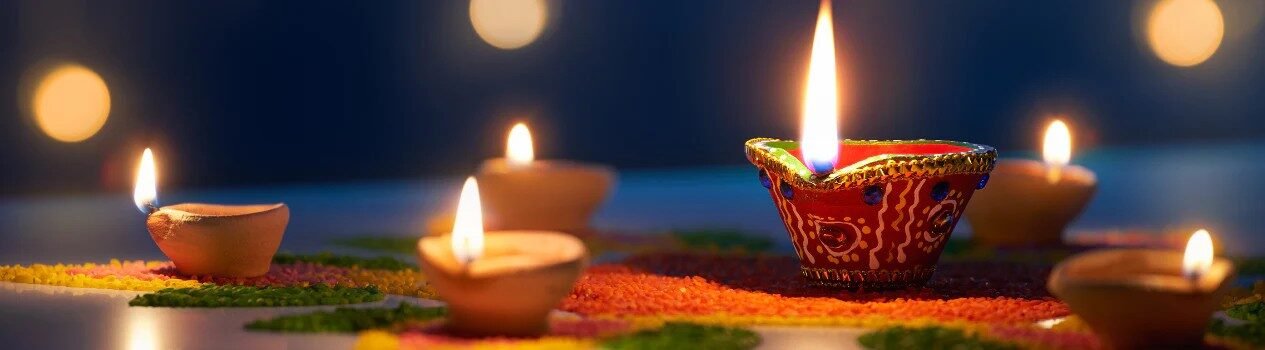

Deepavali_2025
Articles

Five Days of Deepavali

Deepavali is one of the key festivals in the Dharmic traditions, celebrated widely amongst Hindus, Jains, Sikhs and Buddhists alike.

It is celebrated over a period of five days. Friends and Families take a break from work, come together, visit temples, take part in traditional ceremonies, exchange gifts and enjoy delicious sweets and savouries and have a lovely meal together.

Let’s go over the significance of each of the five days.

Day 1. Dhanteras – The Day of Renewal and Prosperity

Dhanteras marks the beginning of Deepavali and symbolises renewal, cleansing, and auspicious beginnings. The word “Dhanteras” comes from dhan (wealth) and teras (thirteenth). On this day, homes are thoroughly cleaned, and oil lamps (diyas) are lit to invite prosperity. Families decorate their spaces with vibrant rangoli designs and prepare for the days ahead. In the evening, prayers are offered to Goddess Lakshmi and Ganesh ji seeking blessings for wealth and wisdom. It’s also a popular day for purchasing gold, silver, and new utensils, believed to bring good fortune and financial growth.

Day 2. Choti Deepavali – The Day of Preparation and Light

Choti Deepavali, also known as Naraka Chaturdashi, is the second day and serves as a spiritual and physical preparation for the main Deepavali celebration. It commemorates the victory of good over evil, symbolised by Bhagwan Krishna’s defeat of the demon Narakasura. Homes are illuminated with diyas, and people often take ritual baths before sunrise, believed to cleanse sins and purify the soul. Families continue decorating their homes and preparing sweets and snacks. The atmosphere is festive yet calm, setting the tone for the grand celebrations of the next day. It’s a time for reflection, light, and inner peace.

Day 3. Deepavali – The Festival of Lights

Deepavali (or Diwali), often referred to as the festival of lights, is one of the most cherished occasions across Dharmic traditions. It is celebrated by Hindus, Jains, Sikhs, and Buddhists, each Dharmic community finding within it a story of profound significance.

It marks the return of Shri Rama to Ayodhya after the triumph of Dharma over adharma, it commemorates Lord Mahavira’s attainment of nirvana, and it is Bandi Chhor Divas, recalling Guru Hargobind Ji’s release from captivity alongside fellow prisoners.

These diverse narratives all converge on a universal truth: that righteousness, freedom, and spiritual awakening guides us all to enlightenment.

The deeper philosophy of Deepavali is expressed in the Vedic prayer:

“asato mä sad-gamaya, tamaso mäjyotir-gamaya, mrityor-mä ‘mrtam gamaya”;
“Lead me from untruth to truth, from darkness to light, from mortality to immortality.”

While often framed as the victory of light over darkness, its meaning extends beyond its opposition. Without darkness, the brilliance of light cannot be known. It is therefore our duty not simply to banish darkness but to acknowledge it, engage with it, and walk the path of Dharma to enlighten it.

In times of global uncertainty and challenge, the sustaining power of Dharma (harmony, justice, and responsibility) becomes more vital than ever.

Day 4. Govardhan Puja / Annakut – Gratitude and Abundance

The fourth day is celebrated as Govardhan Puja in many regions, honouring Bhagwan Krishna’s protection of villagers from a devastating storm by lifting the Govardhan Mountain. This day also observes Annakut, meaning “mountain of food,” where temples prepare and offer hundreds of dishes to Bhagwan Krishna. The ritual symbolizes gratitude for nature’s bounty and divine sustenance. Communities come together to share the offerings, reinforcing unity and abundance. It’s a deeply spiritual day that blends mythology, agriculture, and devotion, reminding people to appreciate the elements that nourish life and to live in harmony with nature.

Day 5. Bhai Dooj – Celebrating Sibling Bond

Bhai Dooj, the fifth and final day of Deepavali, celebrates the cherished bond between brothers and sisters. Sisters invite their brothers home, perform aarti, and pray for their well-being and long life. In return, brothers offer gifts and blessings. The day is filled with laughter, shared meals, and heartfelt conversations, emphasizing the importance of family ties. It’s also considered the second day of the Hindu New Year, continuing the spirit of renewal and joy. Bhai Dooj is a gentle, affectionate end to the festive season, highlighting love, respect, and the warmth of familial relationships.

Wishing all a Shubh Deepavali and Nutan Varsh Abhinandan.
May this New Year bring peace, prosperity, and fulfilment to our communities.

15
Articles

Makar Sankranti

Certain Hindu festivals are associated with the annual cycle of seasons. Pongal in the South and Sankranti in the North are celebrated to mark the withdrawal of the southeast monsoons as well as the reaping of the harvest. Pongal festivities are spread over several days. Like Deepawali in the north, the advent of Pongal is associated with spring-cleaning and burning of junk, symbolizing the destruction of evil.

Decorative designs or rangolis are traced on floors and on the day of the Pongal, the newly harvested rice is cooked in homes to acclaim the bounty of the gods.
 
UTTARAAYANA PUNYA-KAALA This holy day marks the commencement of the Sun’s northern course in the Heavens – the Uttaraayana patha. This turn in the Sun’s course takes place at the point of time when it enters the sign of Makara or Capricorn. From this day the day-duration increases and the night decreases. It is the harbinger of more light and sunshine in life and lessening of its darker aspects. This happy occasion is termed as Pongal in Tamilnadu and as Khichadi in northern Bharat – both of them being names of sweet delicacies specially prepared on that day! Light symbolizes the warmth, i.e., the love and affection, the quality of the heart.
 
In many areas of Bharat, this is symbolized by the distribution of til-gul – the til seed and jaggery. The til brimming with fragrant and delicious oil, stands for friendship and comradeship and jaggery for the sweetness of speech and behavior. The distribution of til-gul, therefore, forms a touching aspects of the Makara Sankramana celebration.
 
On the social plane, the Sankraanti carries a vital significance for national welfare. It is the warmth of love and fellow-feeling among the people of a country that ultimately makes them stand up in unison in adversity or in prosperity. It is the necessary lubricant to make the nation’s machine work smoothly without friction. Even the great precepts of `liberty’ and `equality’ lose their meaning without the basic requisite of `fraternity’ among the people. Fraternity alone will ensure a spirit of selfless service and sacrifice in the cause of fellow countrymen. Selfishness – the ultimate destructor of the social fabric – is cured and social consciousness generated where a spirit of fraternity is alive.
 
Sankraanti, signifying light, also gives the message of intellectual illumination. It is the capacity to discriminate between the right and the wrong, the just and the unjust, truth and falsehood, virtue and vice. It is this discriminative wisdom – Viveka – which leads the individual on the path of human evolution and human happiness. Mere dry reasoning power devoid of this insight will be like the charging of a wild horse without the stirrup and the rider. The present-day galloping race of science and technology is indeed turning the modern civilization into such a `wild horse’. The looming and growing catastrophic consequences of air, water and soil pollutions are a few instances of how far our modern intellect has strayed away from the true path of intellectual enlightenment.
 
Mahabhaarata defines pursuit of truth and real knowledge as that which leads to the welfare of all living beings – Yad bhootahitamatyantam tat satyamiti dhaaranaa. It is this supreme light and intelligence coupled with the warmth of the heart alone that can ultimately lead to all-round human harmony and happiness. The break of dawn heralding light also signifies the awakening of man from sleep. A day of physical, mental and intellectual activity ensues. It rouses the faculties of endeavour and diligent pursuit of one’s duties in life. Sloth, indolence and sluggishness are shaken off giving place to vigor, vitality and manly efforts.
 

The Hindu philosophy has eulogized human endeavour as a supreme value without which nothing worth while can be achieved in life. Says a Subhaashita:

 
Udyamam saahasam dhairyam buddhisshaktih paraakramaha |
Shadete yatra vartante tatra devaassahaayakrit ||
 
The Gods will help those who display the six attributes of endeavour, daring, fortitude, wisdom, strength and valour.
 

The very last shloka of Bhagavad Gita also highlights the supreme necessity of the human efforts in every field of human attainment:

Yatra yogeshwarah Krishno yatra Paartho dhanurdharah |
Tatra shreervijayo bhootirdhruvaa neetirmatirmama ||
 
Where Lord Krishna the master of yoga is, and Arjuna, great among archers, there, surely enough, is wealth, victory and glory.
 
Makara Sankramana gives the call for the awakening of all these latent powers in man not only for the flowering of his individual personality to its fullest unfoldment but also for the well-being and glory of society as a whole. It is for this holy day that Bhishma, after laying down his arms in the Mahaabhaarata war and lying on a bed of arrows, waited to give up his body. For, as the tradition goes, a person dying on this day reaches the Abode of Light and Eternal Bliss.
 
The biggest Mela – religious fair – on the face of the earth is held once in twelve years of Prayaag, the holy confluence of Ganga, Yamuna and the invisible Saraswati. The Kumbha Mela which is now-a-days drawing nearly one crore of devotees – drawn from all castes and creeds, sects and languages and provinces, saints and commoners – is the most inspiring testimony to the intrinsic cultural unity of the Hindu world.
 
It was in the Kumbha Mela of 1966 that the all-world organization of Hindus, Vishwa Hindu Parishad, held its first momentous World Hindu Meet. The Jagadgurus and Dharmaachaaryas, the Mathadhipatis and the scholars of all sects and creeds present there resolved to do away with the perversions which had entered into the Hindu society and to give it a new and dynamic thrust so as to make it capable of facing the many old and new challenges.
 
The birth of Swami Vivekananda on the Sankramana day is an inspiring indication of the passing of the long night of self-oblivion and birth of an effulgent era of resurgent Hinduism. Synchronising of one of their greatest festivals with an extremely meaningful and regular phenomenon of nature speaks of an innate quality of Hindus. They look upon themselves as children of Mother Nature and strive to sip her milk of bounty in all fields, and seek to unfold all the qualities of their body, the head and the heart.
 
In short, Makara Sankramana embodies the ardent prayer of every Hindu heart –
 
Asato maa sadgamaya
Tamaso maa jyotirgamaya
Mrityoormaa amritam gamaya
 
Lead me, O Lord, from untruth to Truth from darkness to Light and from death to Immortality.