

November 28, 2025
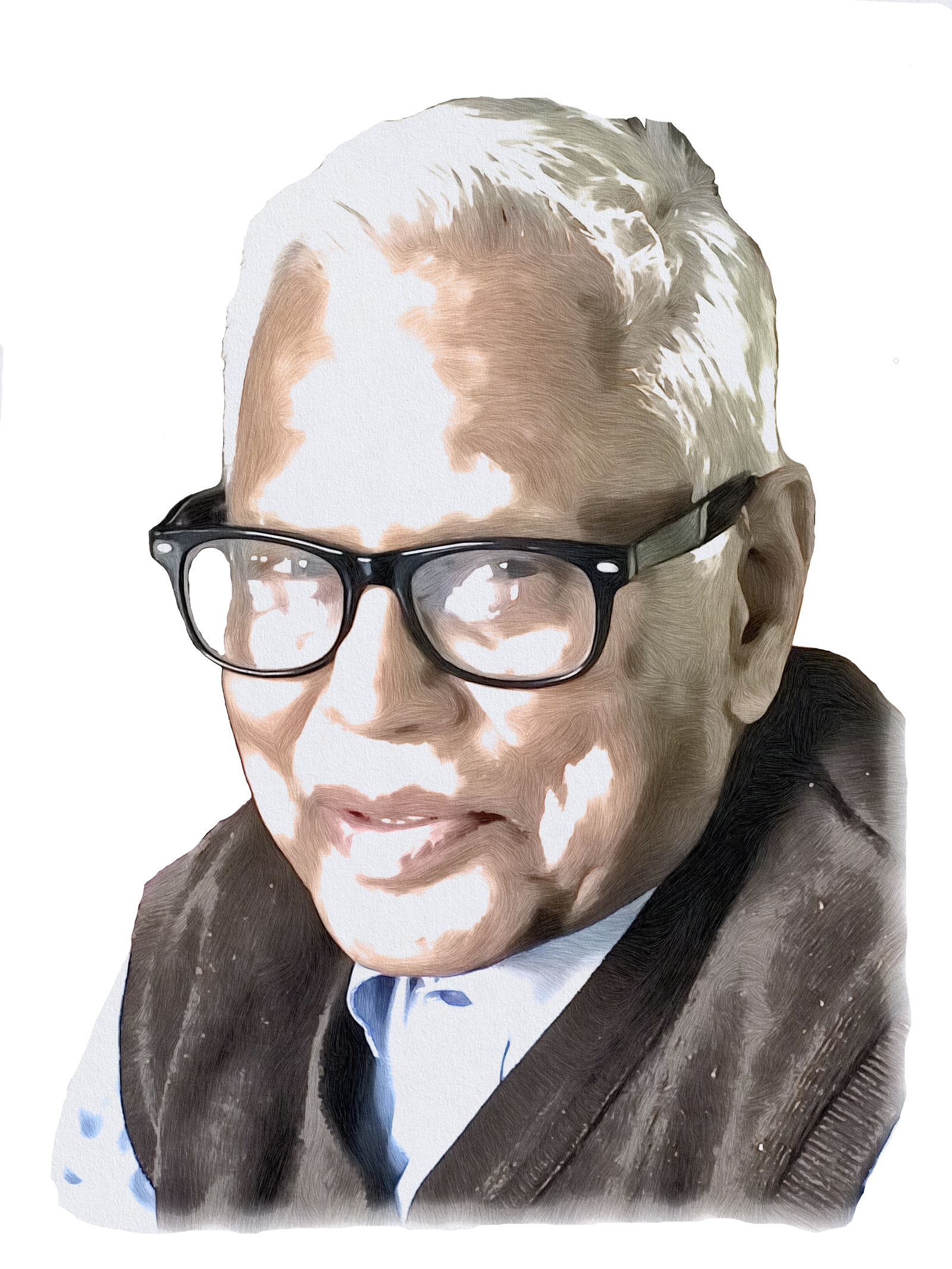
Dr Shankar Rao Tatwawadi
A Pioneering Pracharak
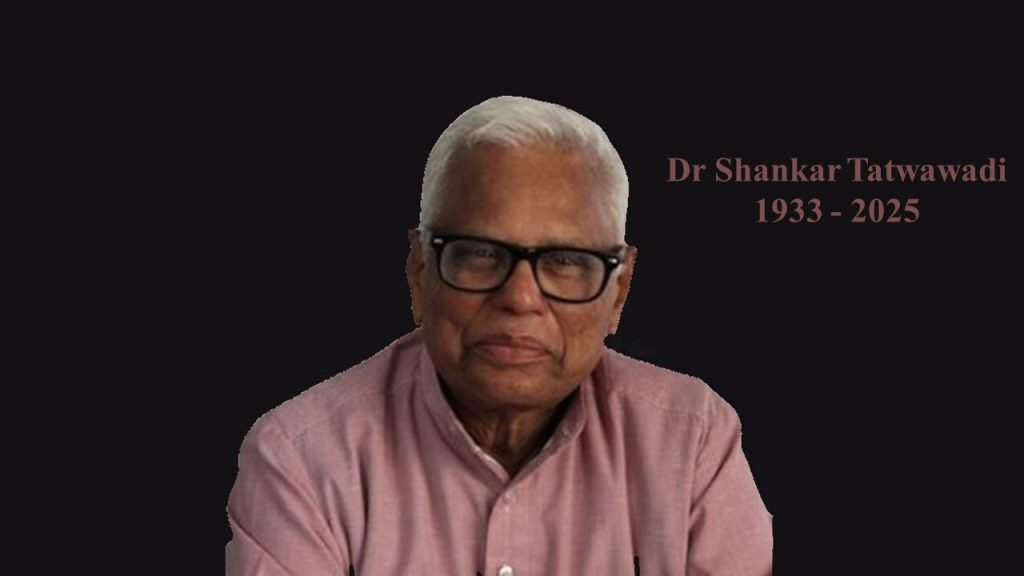
It is with profound sadness that Hindu Swayamsevak Sangh (UK) along with the Global Hindu Community mourns the passing of Dr Shankar Tatwawadi. Shankar Rao ji, as he was fondly known, passed away on 13th March 2025 at the age of 92 in Nagpur, India.
Shankar Rao ji was an excellent student and completed his education in Nagpur, graduating with an MSc in Chemistry from Nagpur University. He pursued his doctoral studies at the prestigious Banaras Hindu University (BHU). He then undertook post-doctoral research at the University of Texas at Austin and the University of Kansas in the United States in the mid-1960s.
Dr Tatwawadi then returned to BHU as a professor in the Department of Pharmacy, where he later became the Head of the Department. After many years as a professor he took early retirement and devoted himself to the work of supporting Hindus outside of India. He became a full time worker (Pracharak) of Hindu Swayamsevak Sangh (HSS) and helped to expand the activities and the development of the dedicated volunteers of HSS (UK).
From 1989 to 2011, Shankar Rao ji travelled tirelessly across the breadth of the UK motivating the numerous volunteers of HSS, getting to know their families and guiding them in the expansion of HSS work. He provided crucial guidance on many key events, including the Virat Hindu Sammelan in Milton Keynes and the establishment of the Hindu Marathon (UK) as well as the numerous Sangh Shiksha Vargs (Youth Leadership Training Camps) over a span of 22 years.
From 1993 onwards he travelled to more than 60 countries, working with the Hindu Community globally to spread the message of Hindu Unity.
In 2011, Dr. Tatwawadi returned to India and joined Vijnana Bharati (A Scientific organisation) as a guide and mentor and engaged with prominent personalities in the scientific field.
Despite his advanced years and recent ill health he continued to keep in touch with Swayamsevaks/Sevikas around the world and warmly met them when they visited India. He breathed his last on the morning of March 13th at 10:30 am and as per his wishes his mortal remains were donated to the All India Institute of Medical Sciences in Nagpur.
Shankar Rao ji will be affectionately remembered for his calm nature, his warm interactions with young and old, deep wisdom and consistent guidance. He was a fatherly figure and an inspiration to countless Hindu Youth in the UK. His life journey and dedication to the development of the Hindu community will continue to inspire future generations of swayamsevaks and sevikas in the UK and around the world.
HSS (UK) offers our heartfelt shraddhanjali (homage) and pray for sadgati (onward journey towards godhead) to the departed atma of Shankar Rao ji.
By Harsh Admin
October 20, 2025
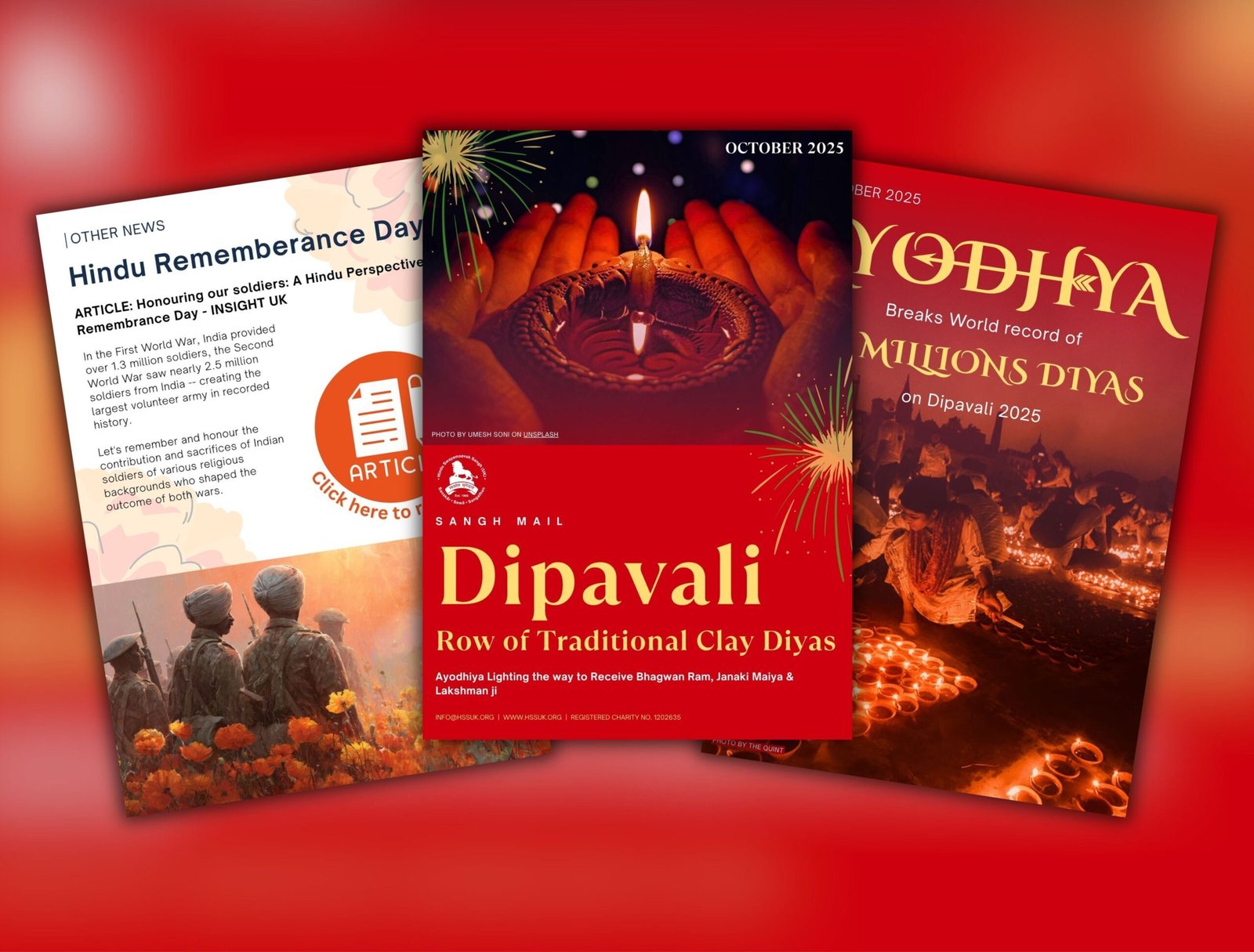
Shubh Deepavali and Nutan Varsh Abhinandan
Shubh Deepavali and Nutan Varsh Abhinandan
Deepavali is a festival that goes far beyond religion or tradition.
It marks the return of Shri Ram to Ayodhya after fourteen years of exile, welcomed by a city adorned with countless lamps.
These lamps symbolise hope, kindness, & goodness that shine in every heart and every culture.
They remind us that even the smallest flame can dispel darkness, and that love and compassion are far stronger than fear and division.
As Hindu Swayamsevak Sangh (UK) marks 60 years of service and growth, we reflect on our guiding motto:
~ Charaiyveti Charaiyveti ~
“Keep Moving Forward.”
Just as the light of Deepavali spreads without diminishing,
our journey continues with renewed energy and purpose:
to nurture unity, selfless service, and the spirit of humanity wherever we are.
Wishing all a Shubh Deepavali and Nutan Varsh Abhinandan.
May this New Year bring peace, prosperity, and fulfilment to our communities.
By Harsh Admin
October 15, 2025
Five Days of Deepavali
Deepavali is one of the key festivals in the Dharmic traditions, celebrated widely amongst Hindus, Jains, Sikhs and Buddhists alike.
It is celebrated over a period of five days. Friends and Families take a break from work, come together, visit temples, take part in traditional ceremonies, exchange gifts and enjoy delicious sweets and savouries and have a lovely meal together.
Let’s go over the significance of each of the five days.
Day 1. Dhanteras – The Day of Renewal and Prosperity
Dhanteras marks the beginning of Deepavali and symbolises renewal, cleansing, and auspicious beginnings. The word “Dhanteras” comes from dhan (wealth) and teras (thirteenth). On this day, homes are thoroughly cleaned, and oil lamps (diyas) are lit to invite prosperity. Families decorate their spaces with vibrant rangoli designs and prepare for the days ahead. In the evening, prayers are offered to Goddess Lakshmi and Ganesh ji seeking blessings for wealth and wisdom. It’s also a popular day for purchasing gold, silver, and new utensils, believed to bring good fortune and financial growth.
Day 2. Choti Deepavali – The Day of Preparation and Light
Choti Deepavali, also known as Naraka Chaturdashi, is the second day and serves as a spiritual and physical preparation for the main Deepavali celebration. It commemorates the victory of good over evil, symbolised by Bhagwan Krishna’s defeat of the demon Narakasura. Homes are illuminated with diyas, and people often take ritual baths before sunrise, believed to cleanse sins and purify the soul. Families continue decorating their homes and preparing sweets and snacks. The atmosphere is festive yet calm, setting the tone for the grand celebrations of the next day. It’s a time for reflection, light, and inner peace.
Day 3. Deepavali – The Festival of Lights
Deepavali (or Diwali), often referred to as the festival of lights, is one of the most cherished occasions across Dharmic traditions. It is celebrated by Hindus, Jains, Sikhs, and Buddhists, each Dharmic community finding within it a story of profound significance.
It marks the return of Shri Rama to Ayodhya after the triumph of Dharma over adharma, it commemorates Lord Mahavira’s attainment of nirvana, and it is Bandi Chhor Divas, recalling Guru Hargobind Ji’s release from captivity alongside fellow prisoners.
These diverse narratives all converge on a universal truth: that righteousness, freedom, and spiritual awakening guides us all to enlightenment.
The deeper philosophy of Deepavali is expressed in the Vedic prayer:
“asato mä sad-gamaya, tamaso mäjyotir-gamaya, mrityor-mä ‘mrtam gamaya”;
“Lead me from untruth to truth, from darkness to light, from mortality to immortality.”
While often framed as the victory of light over darkness, its meaning extends beyond its opposition. Without darkness, the brilliance of light cannot be known. It is therefore our duty not simply to banish darkness but to acknowledge it, engage with it, and walk the path of Dharma to enlighten it.
In times of global uncertainty and challenge, the sustaining power of Dharma (harmony, justice, and responsibility) becomes more vital than ever.
Day 4. Govardhan Puja / Annakut – Gratitude and Abundance
The fourth day is celebrated as Govardhan Puja in many regions, honouring Bhagwan Krishna’s protection of villagers from a devastating storm by lifting the Govardhan Mountain. This day also observes Annakut, meaning “mountain of food,” where temples prepare and offer hundreds of dishes to Bhagwan Krishna. The ritual symbolizes gratitude for nature’s bounty and divine sustenance. Communities come together to share the offerings, reinforcing unity and abundance. It’s a deeply spiritual day that blends mythology, agriculture, and devotion, reminding people to appreciate the elements that nourish life and to live in harmony with nature.
Day 5. Bhai Dooj – Celebrating Sibling Bond
Bhai Dooj, the fifth and final day of Deepavali, celebrates the cherished bond between brothers and sisters. Sisters invite their brothers home, perform aarti, and pray for their well-being and long life. In return, brothers offer gifts and blessings. The day is filled with laughter, shared meals, and heartfelt conversations, emphasizing the importance of family ties. It’s also considered the second day of the Hindu New Year, continuing the spirit of renewal and joy. Bhai Dooj is a gentle, affectionate end to the festive season, highlighting love, respect, and the warmth of familial relationships.
Wishing all a Shubh Deepavali and Nutan Varsh Abhinandan.
May this New Year bring peace, prosperity, and fulfilment to our communities.
By Harsh Admin
August 4, 2025
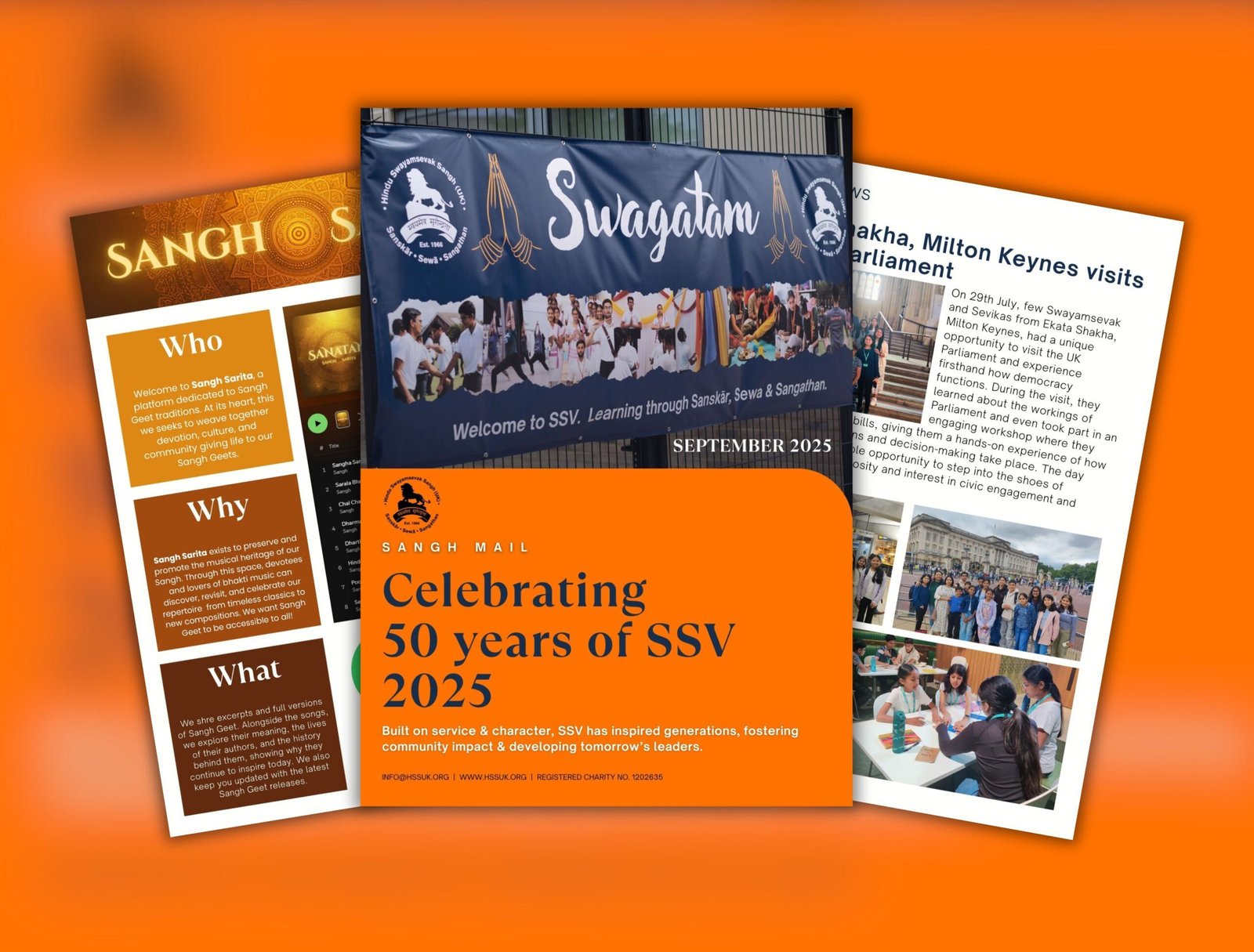
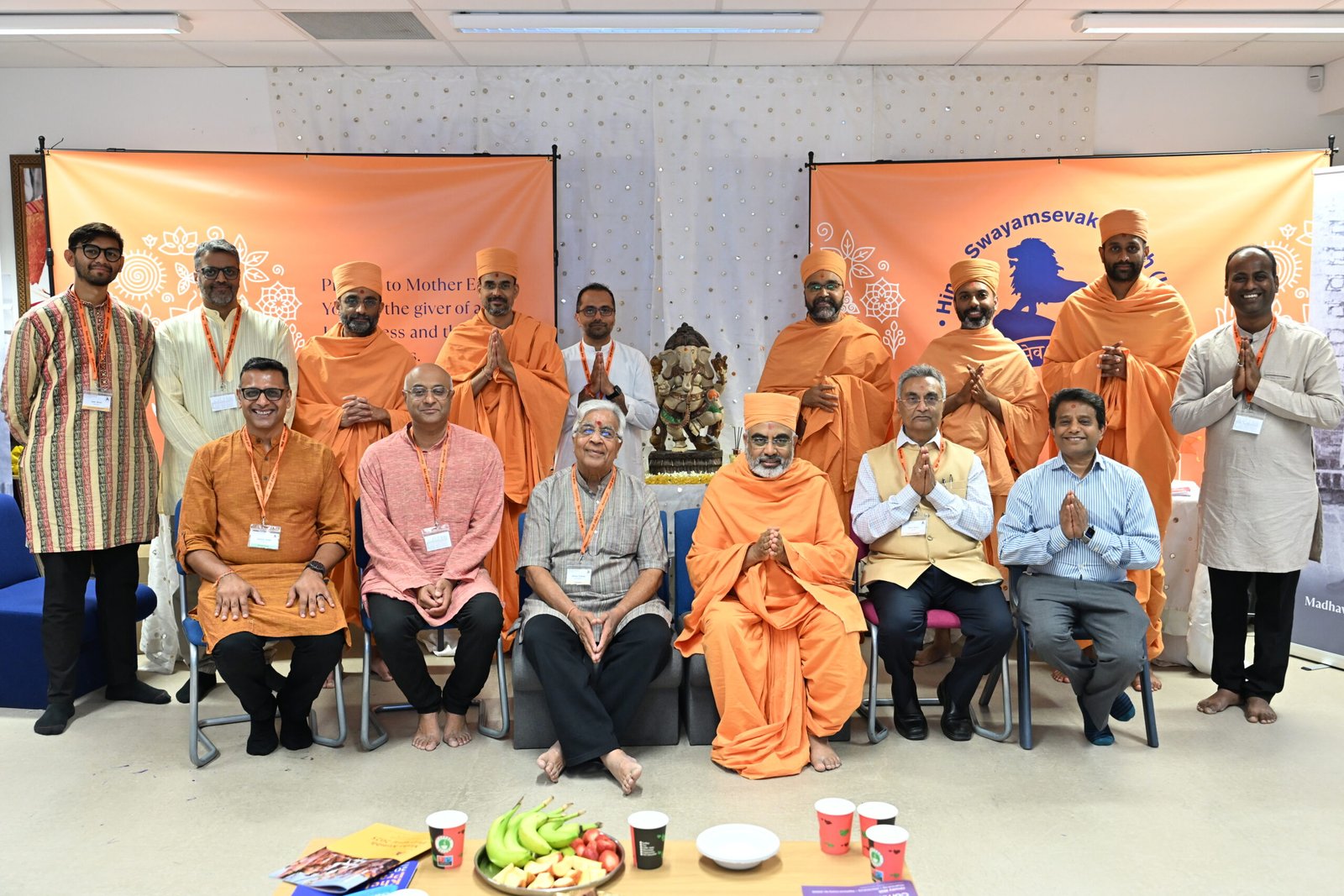
HSS (UK) Celebrates 50 Years of SSV
August 4, 2025
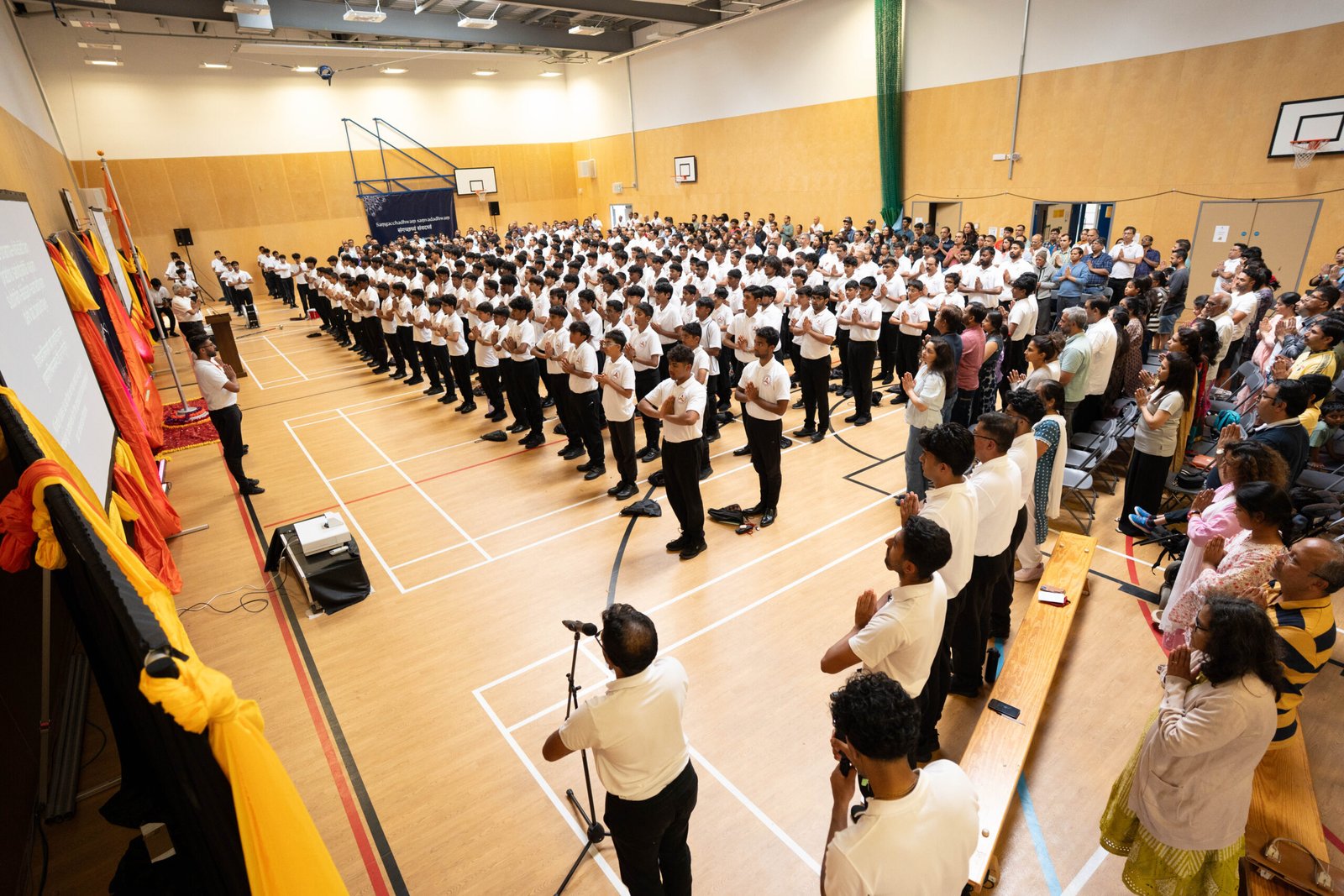
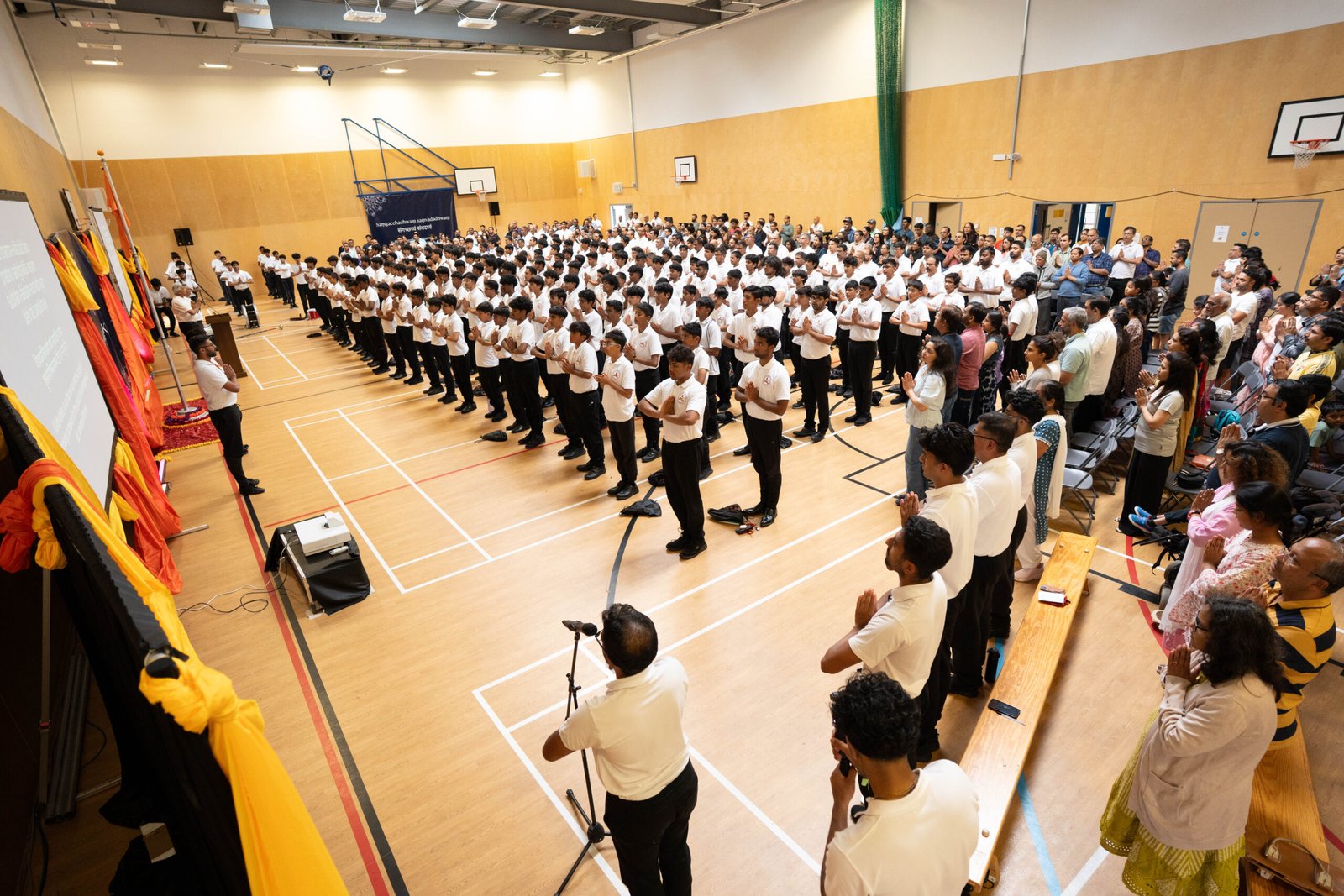
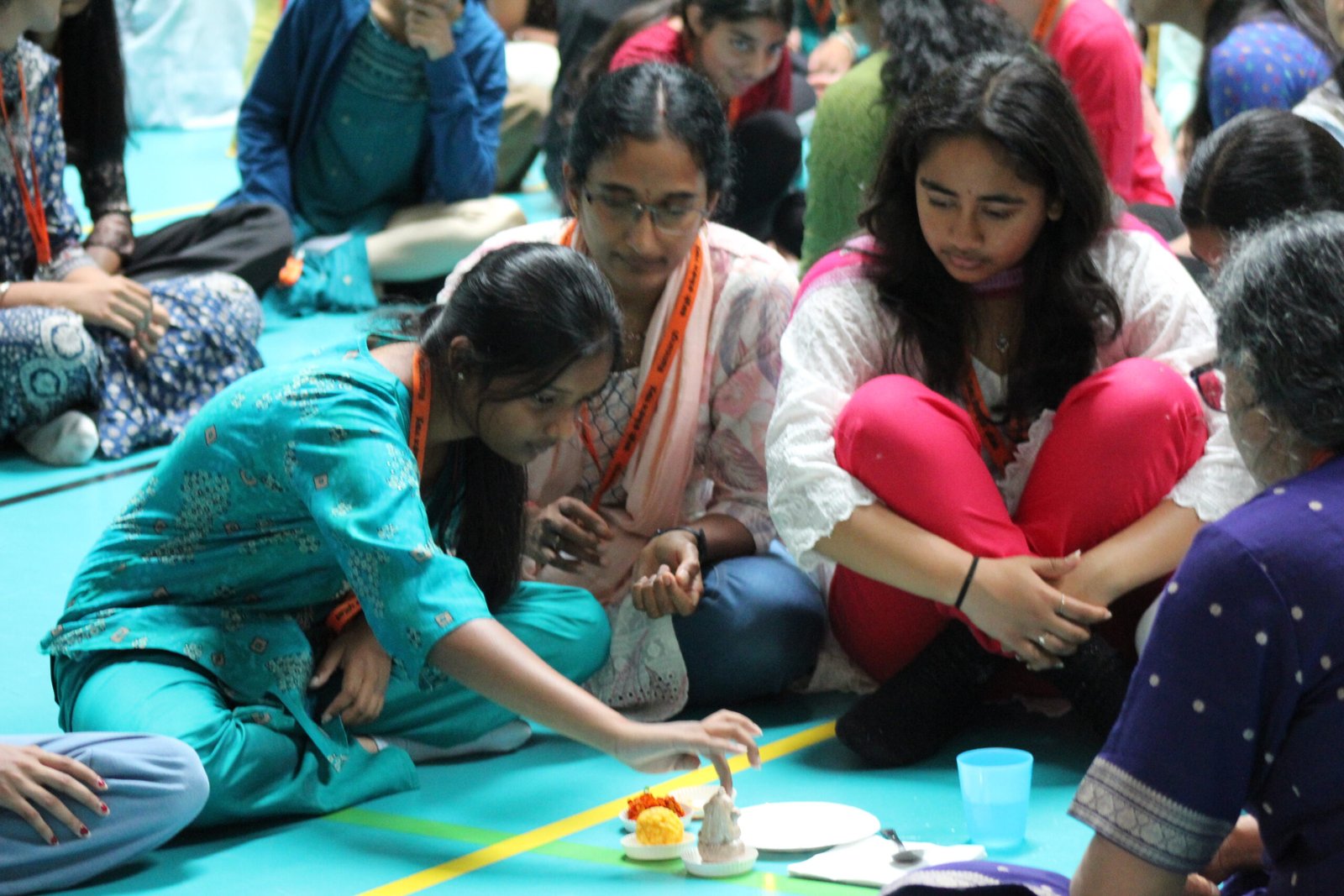
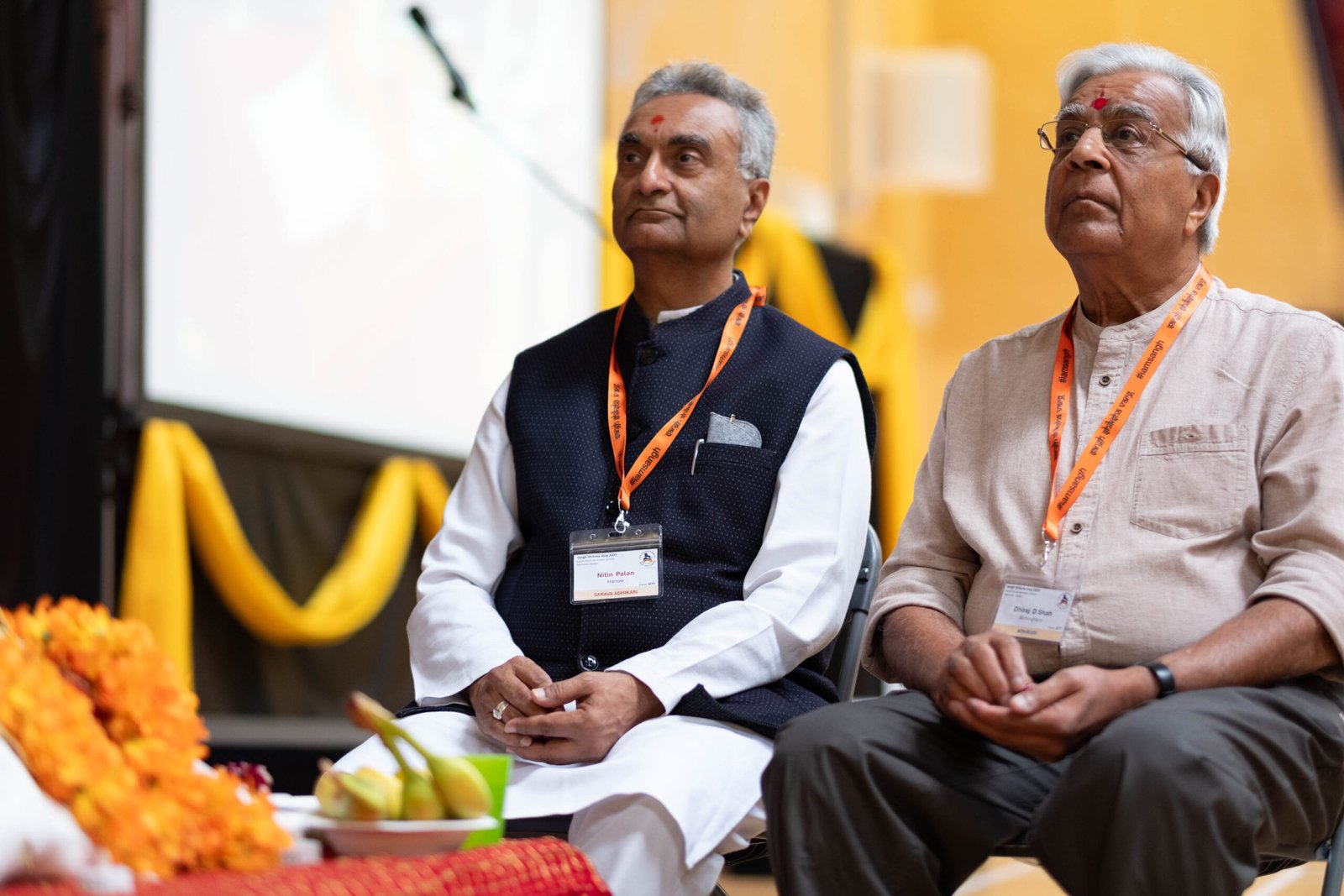
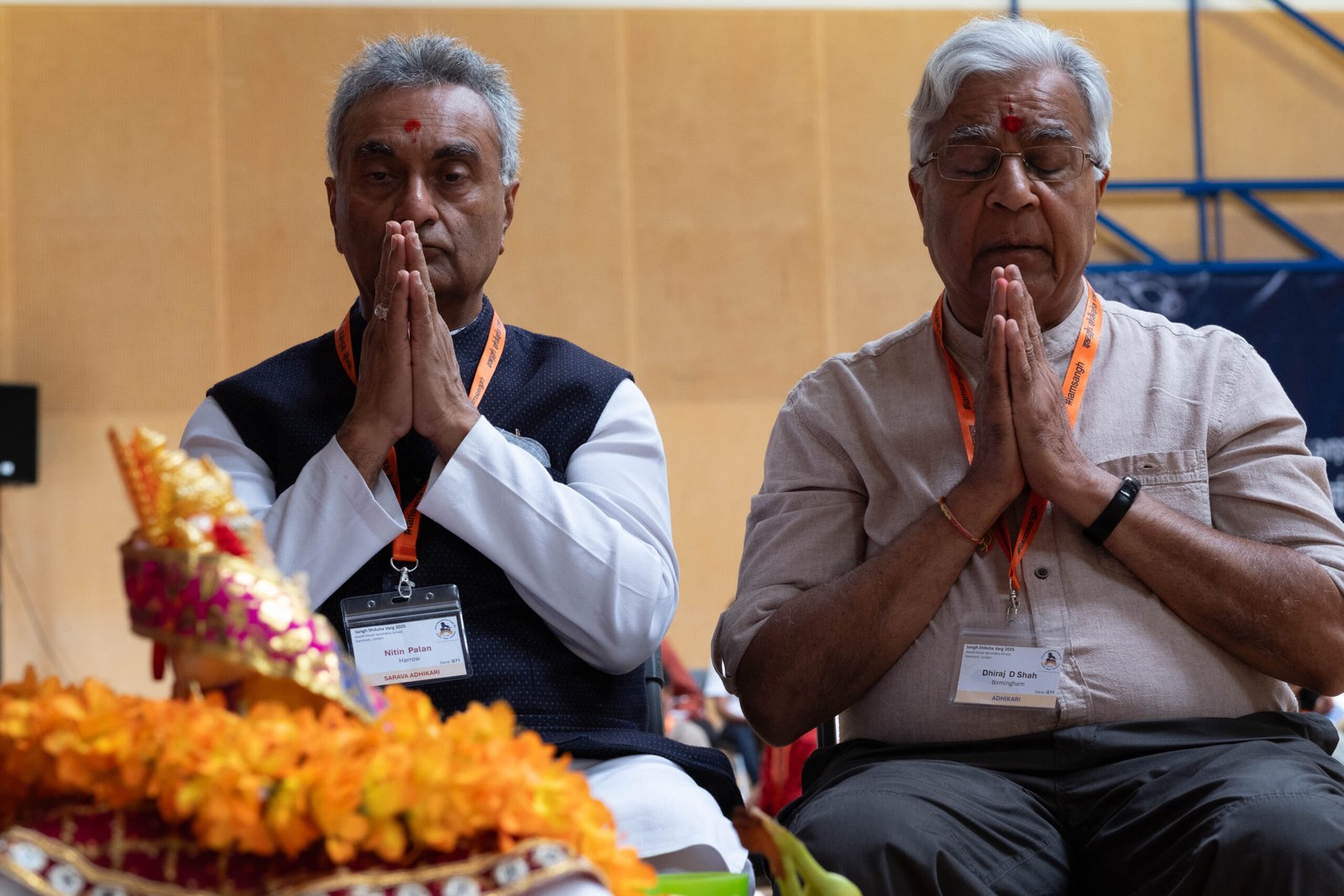
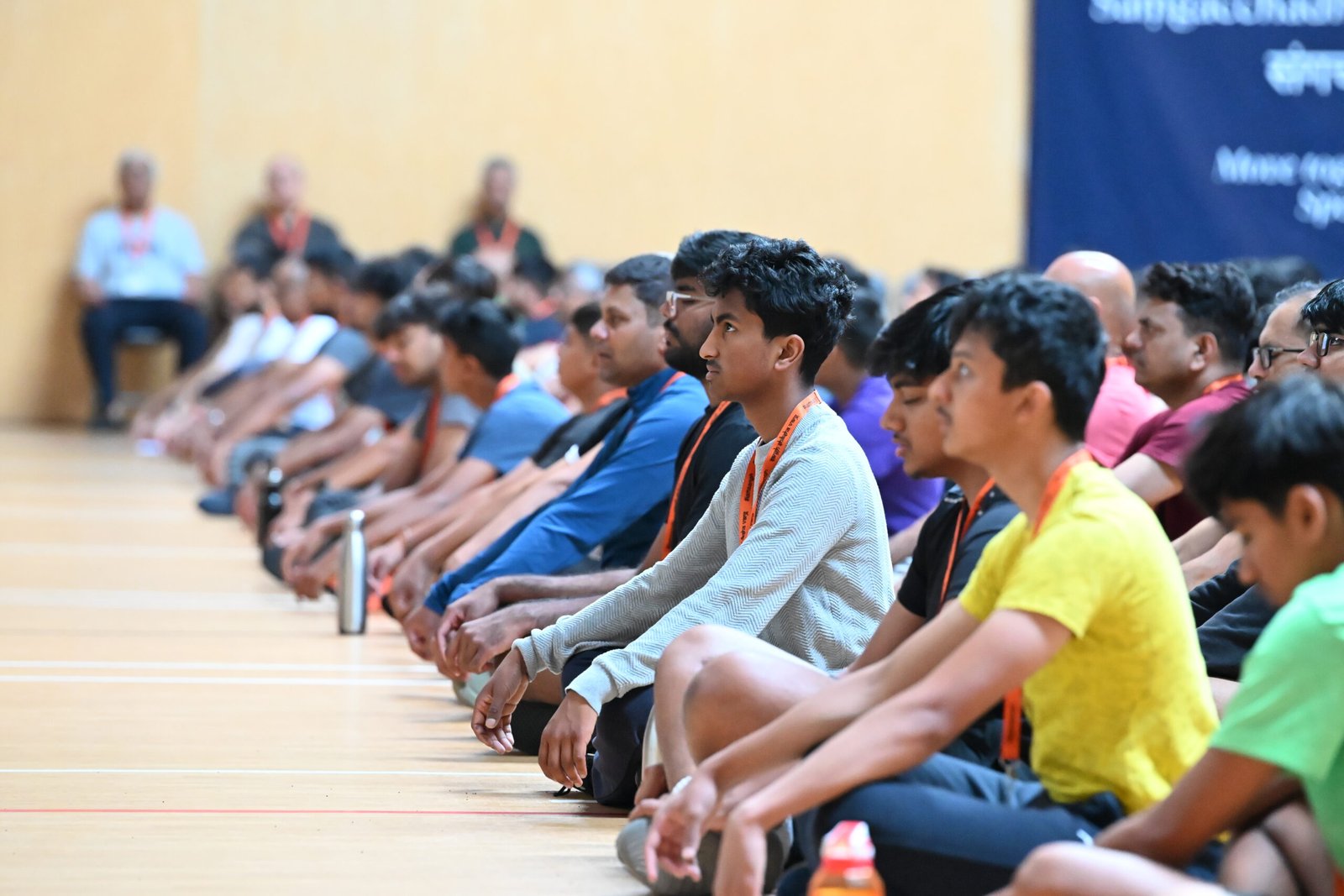
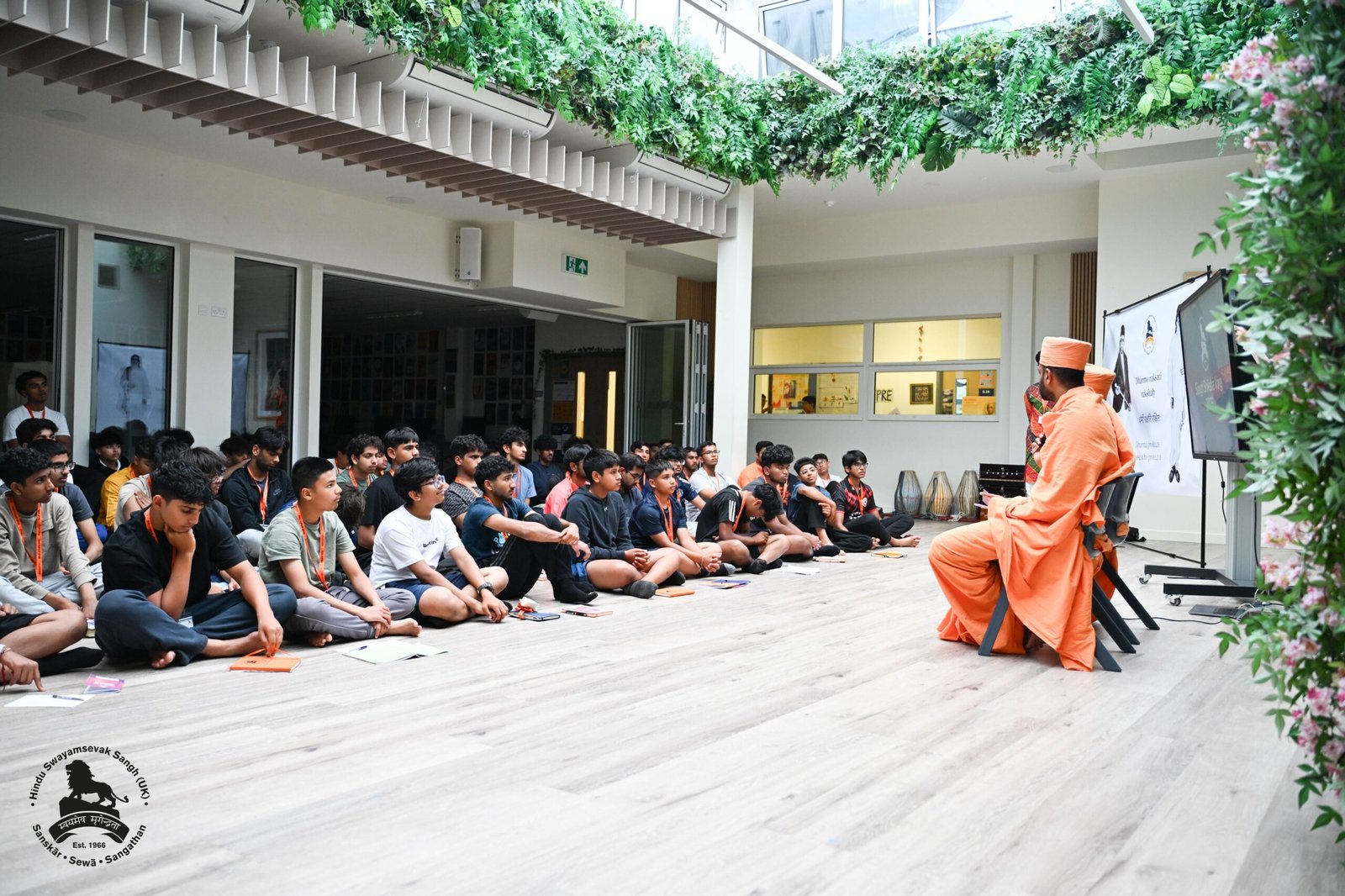
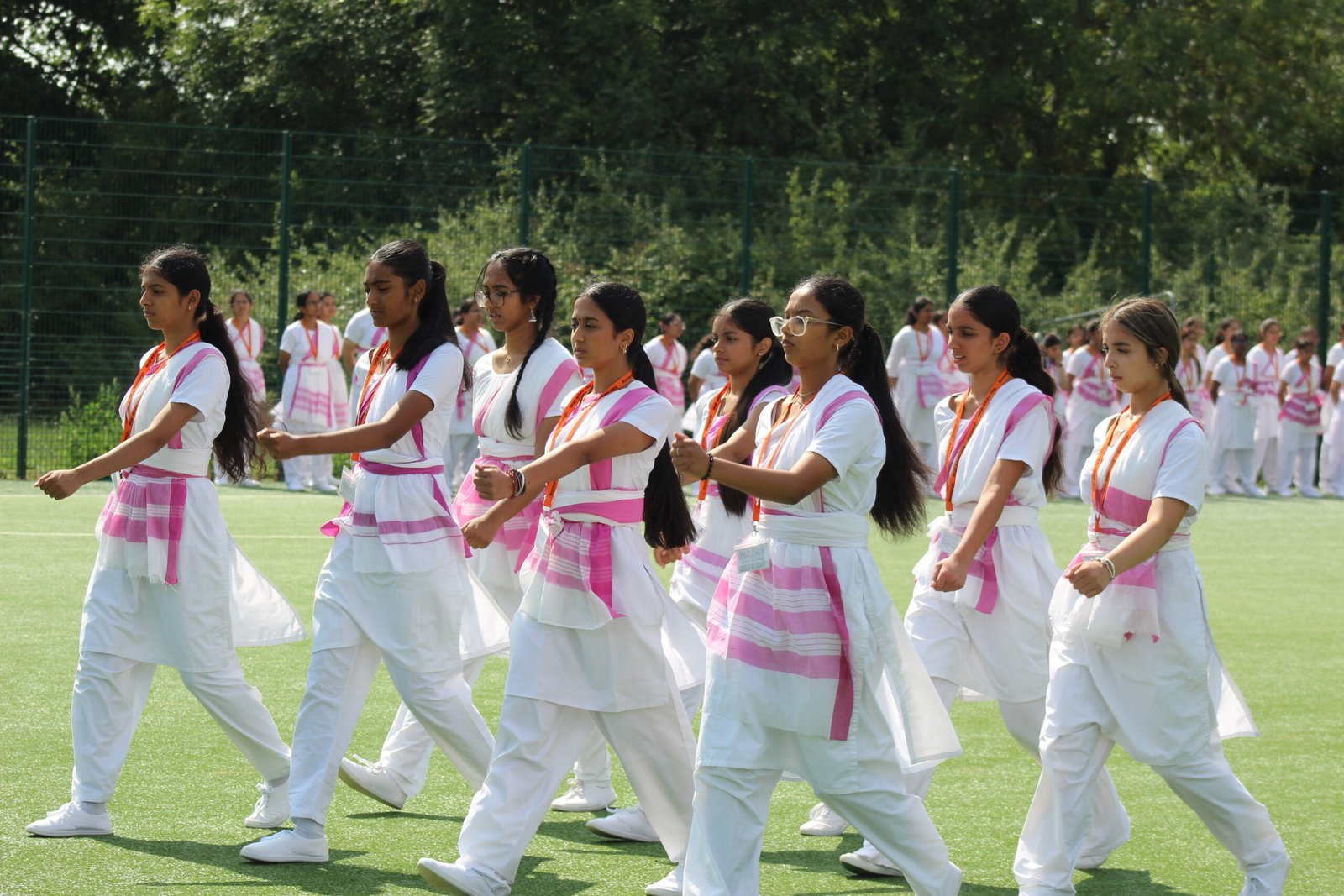
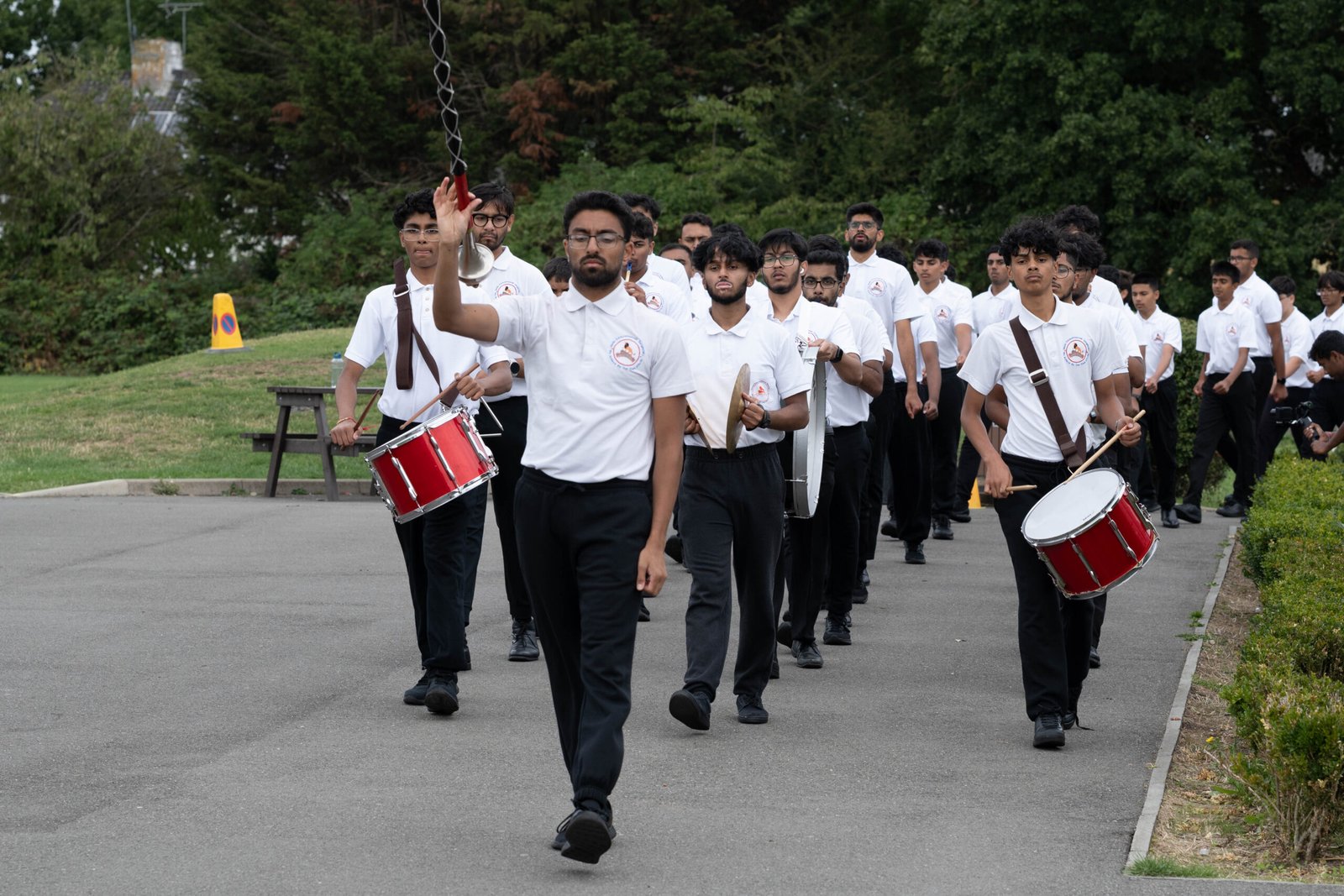
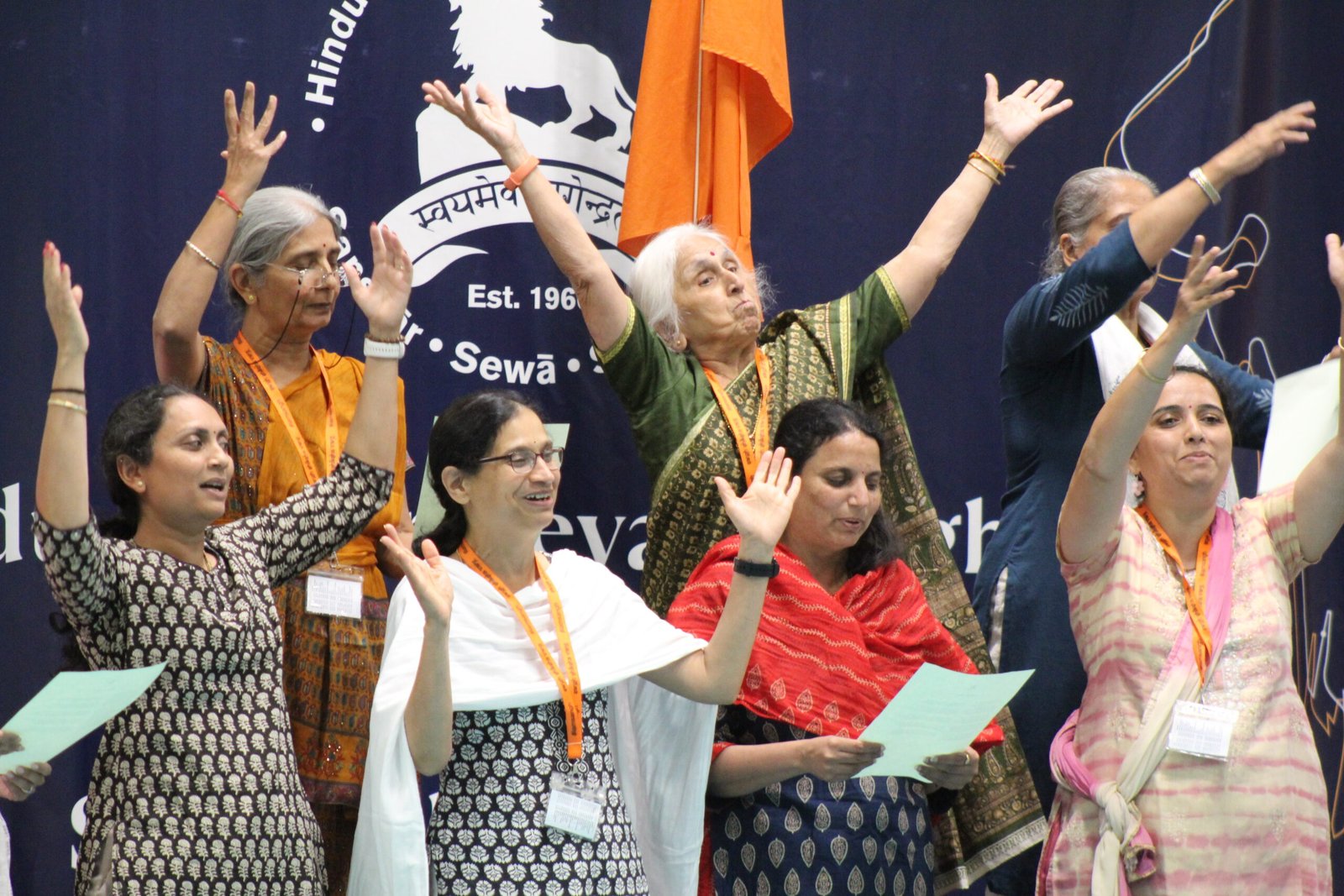
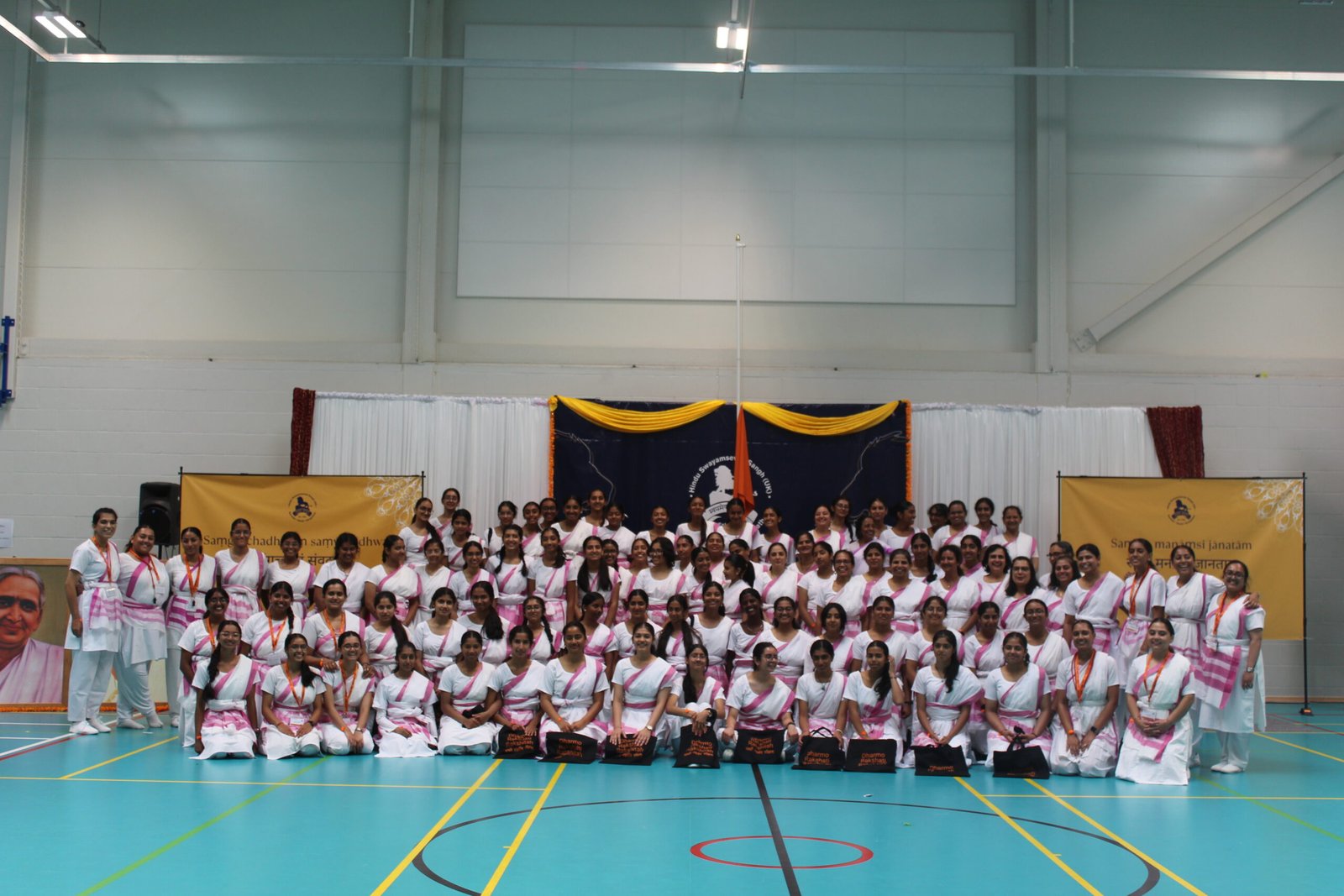
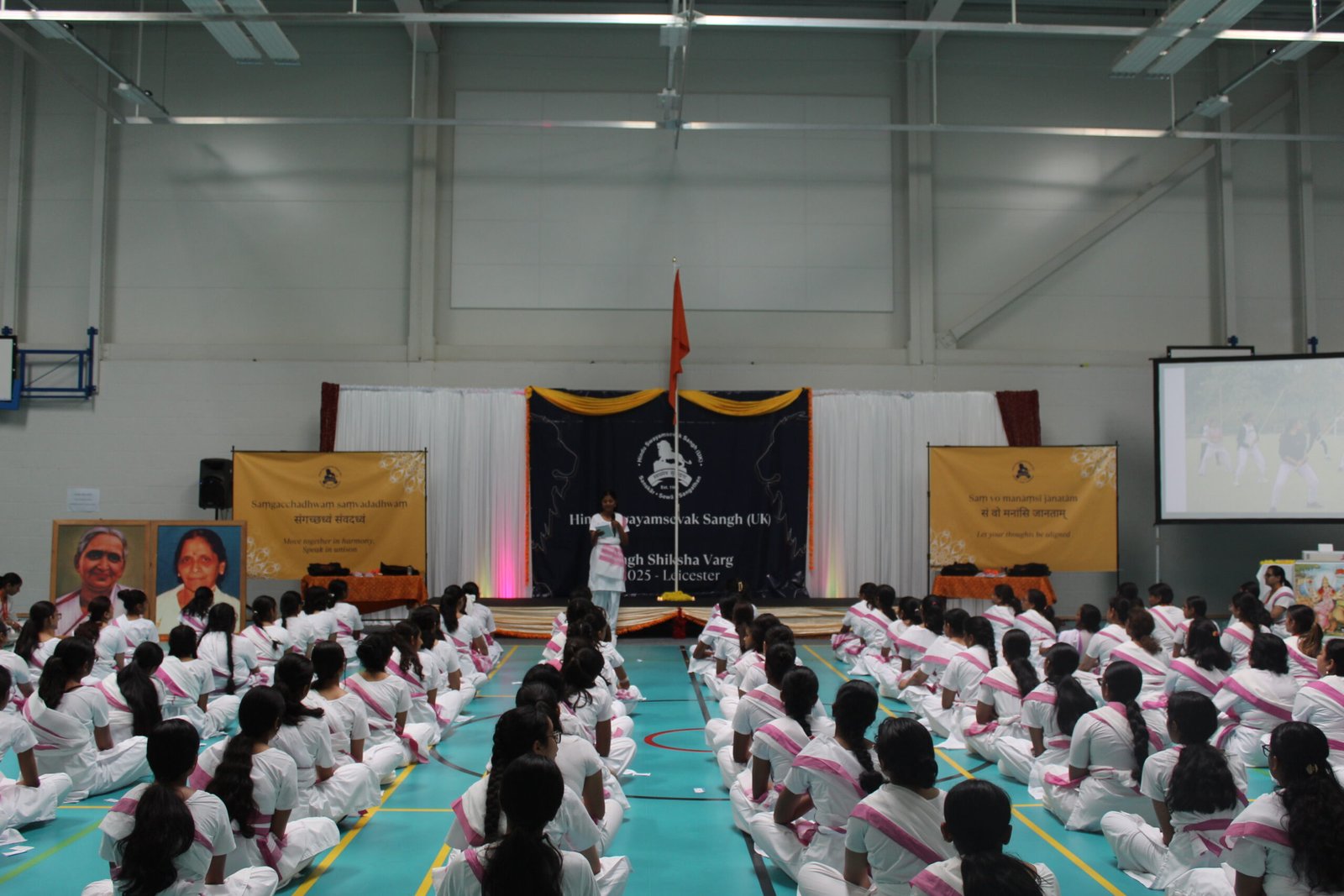
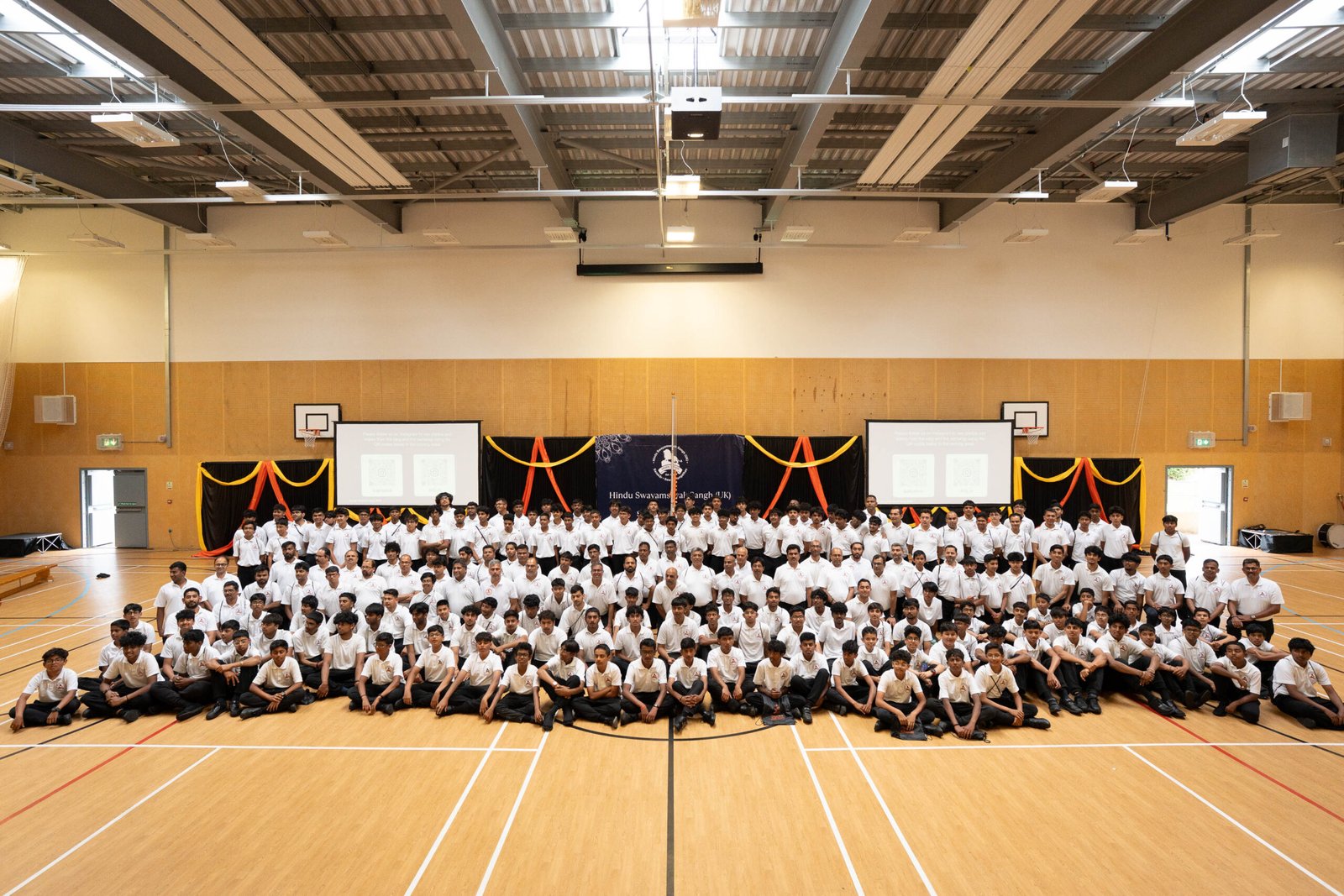
Hindu Swayamsevak Sangh (UK) has achieved a significant milestone, celebrating the 50th anniversary of its flagship leadership development programme – Sangh Shiksha Varg (SSV), with a record-breaking attendance of 605 participants supported by 139 volunteers, representing its highest attendance to date and demonstrating the enduring appeal of traditional value-based education and leadership training.
Participants travelled from 65 towns across all four home nations of the UK, whilst 167 working professionals willingly sacrificed their annual leave to serve as instructors and support teams to ensure smooth running of the camps and invest in the next generation’s development.
A Programme Built on Service and Character.
The four-year structured SSV programme focuses on developing what Baiju Shah (overall coordinator for one of the locations) describes as “Self-inspired future leaders without ego and a commitment to making society better,”
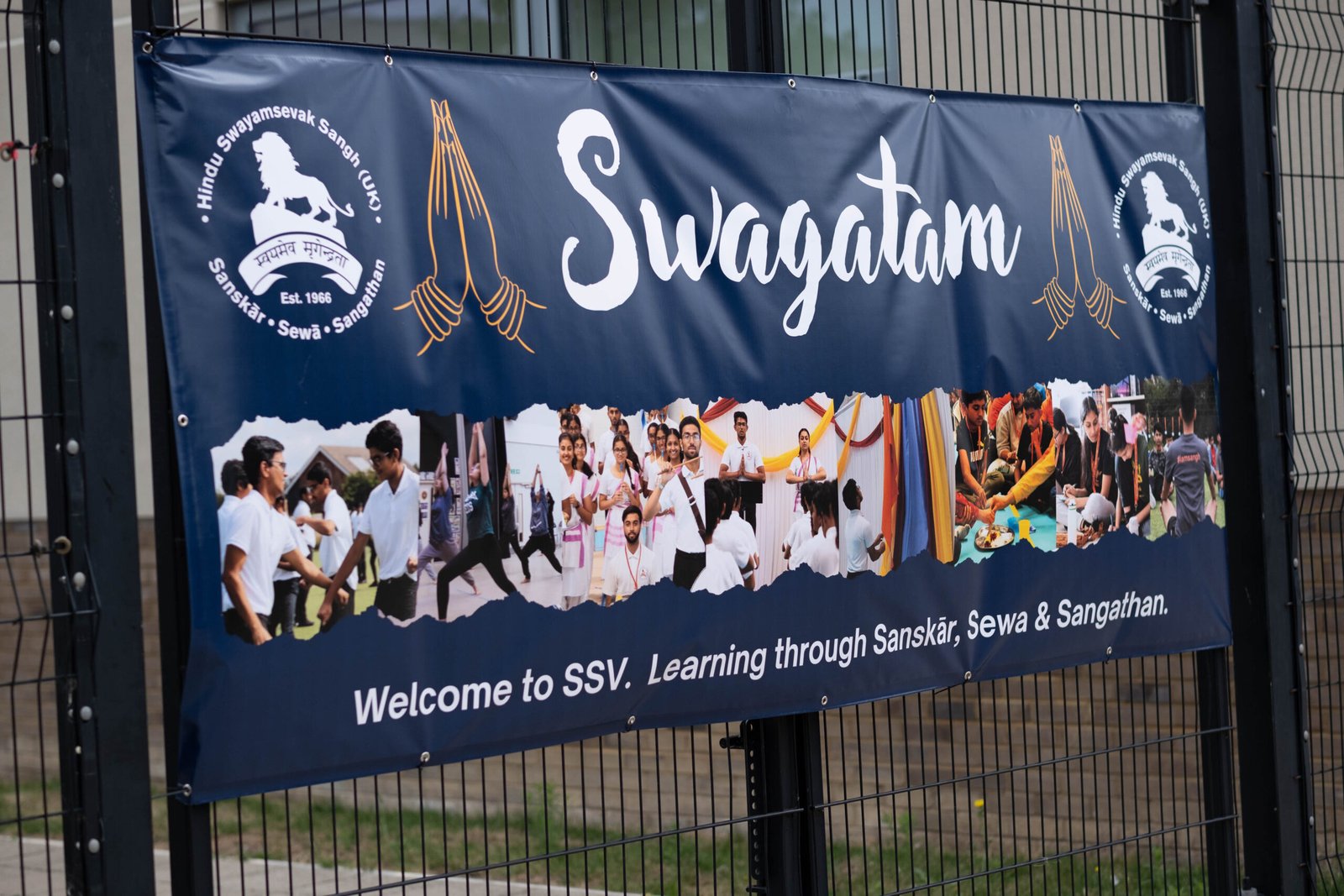
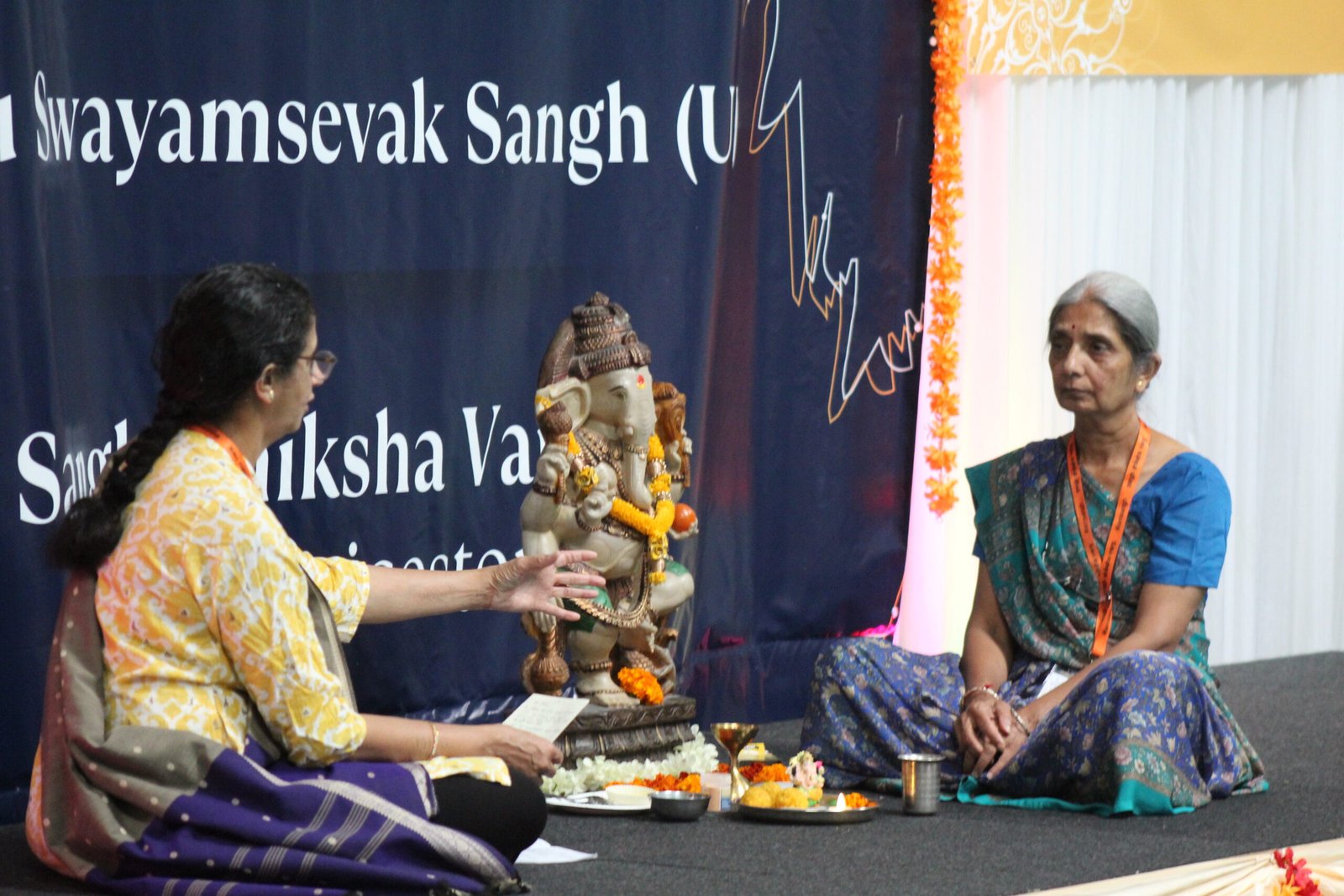
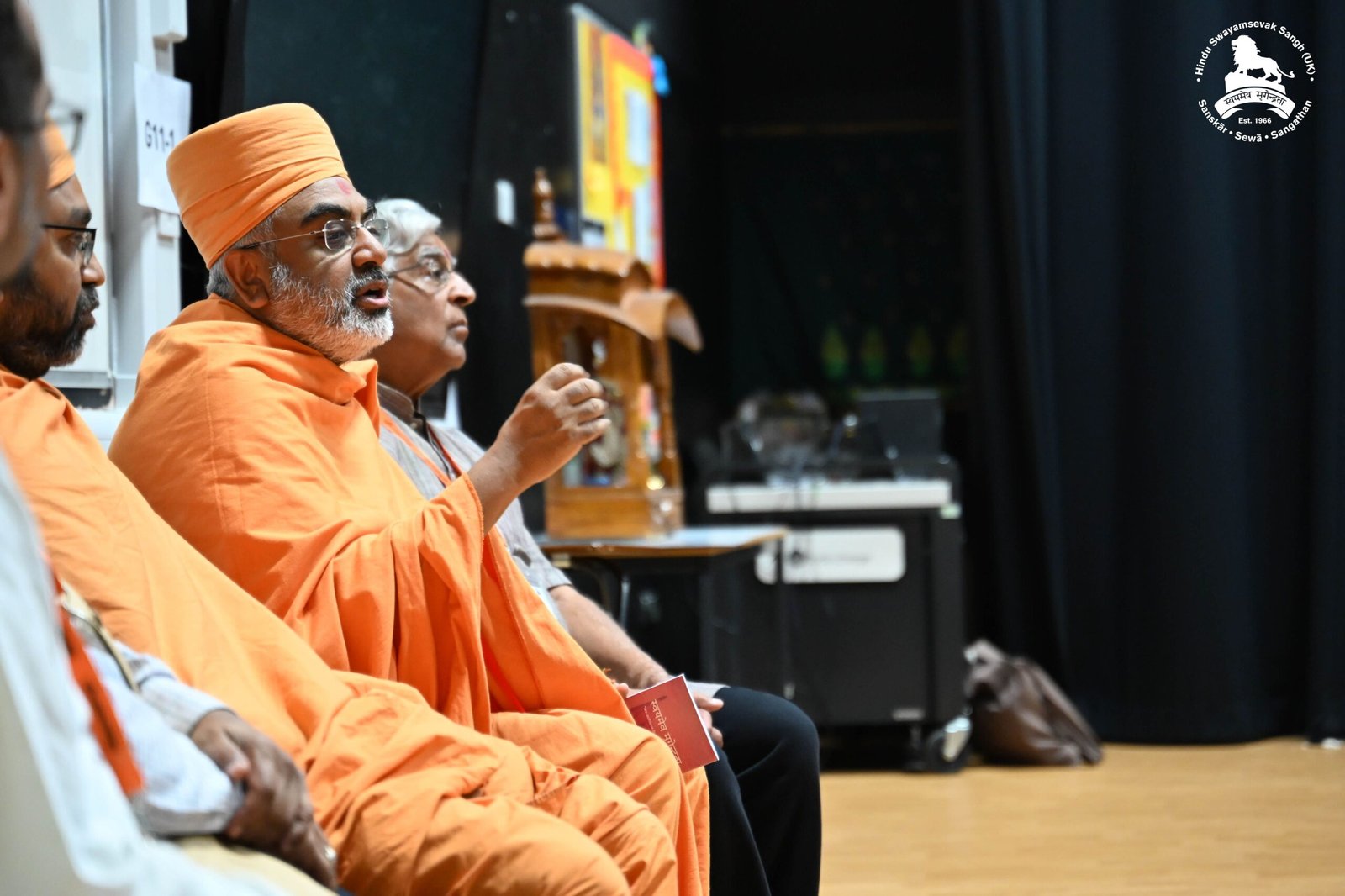
Through a comprehensive approach combining physical, intellectual, and spiritual development, participants, ranging from teenagers to adults in their fifties, engage in a rigorous daily schedule from 6am to 10pm that includes yoga, team activities, structured lectures, meditation, and community service projects.
Remarkable Community Engagement
This year’s SSV showcased exceptional intergenerational participation, with one family notably having a grandfather, father, and son attending the same camp.
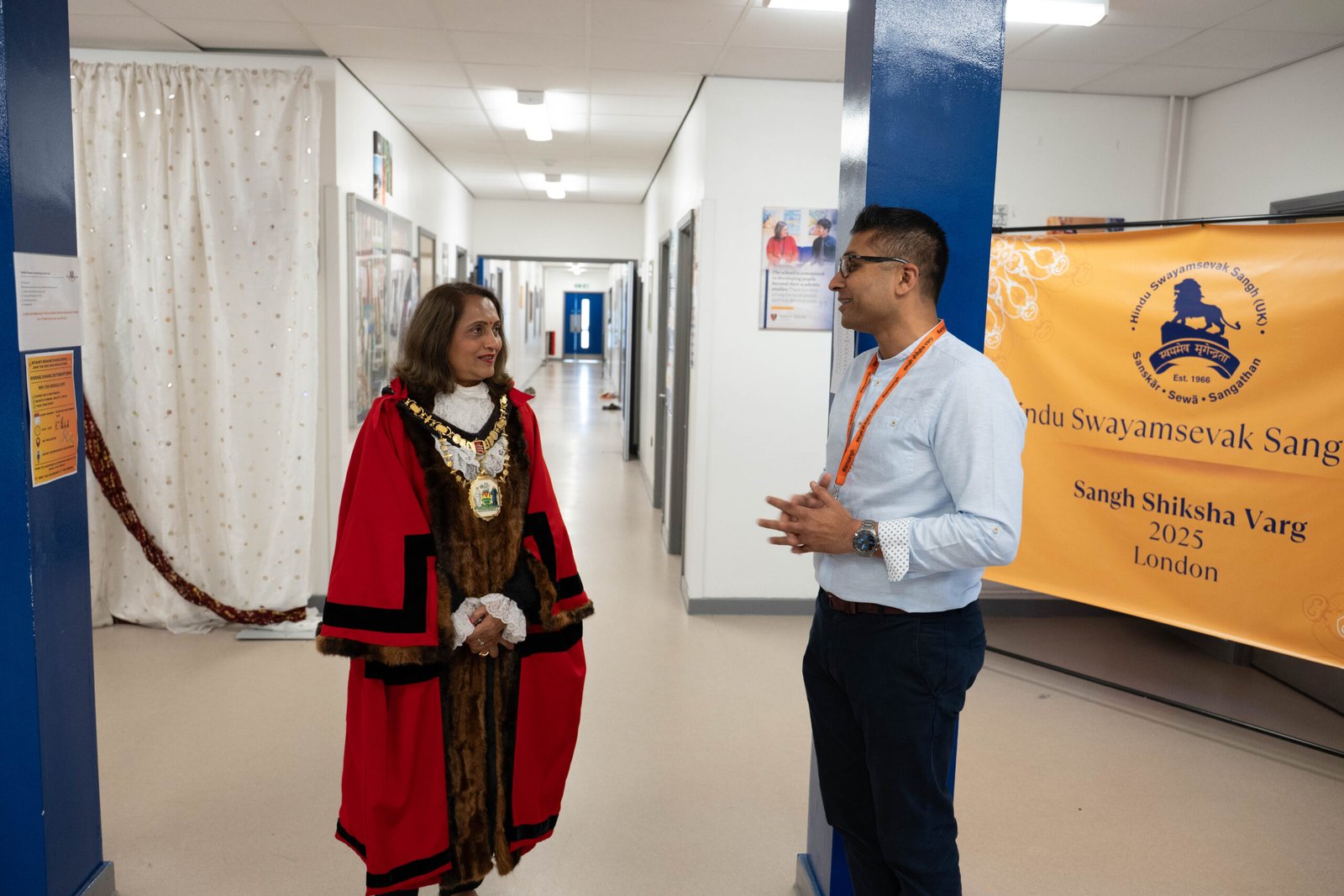
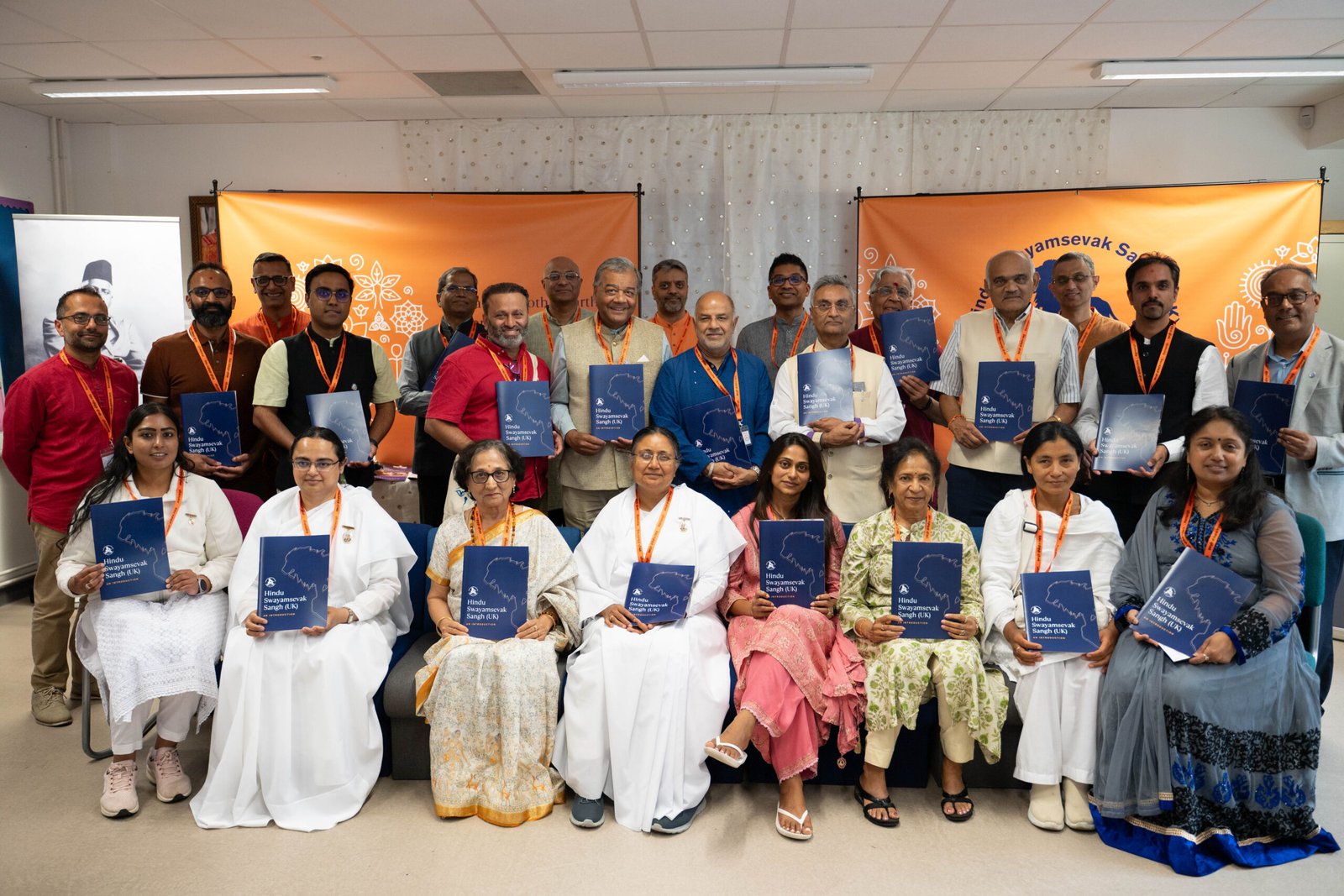
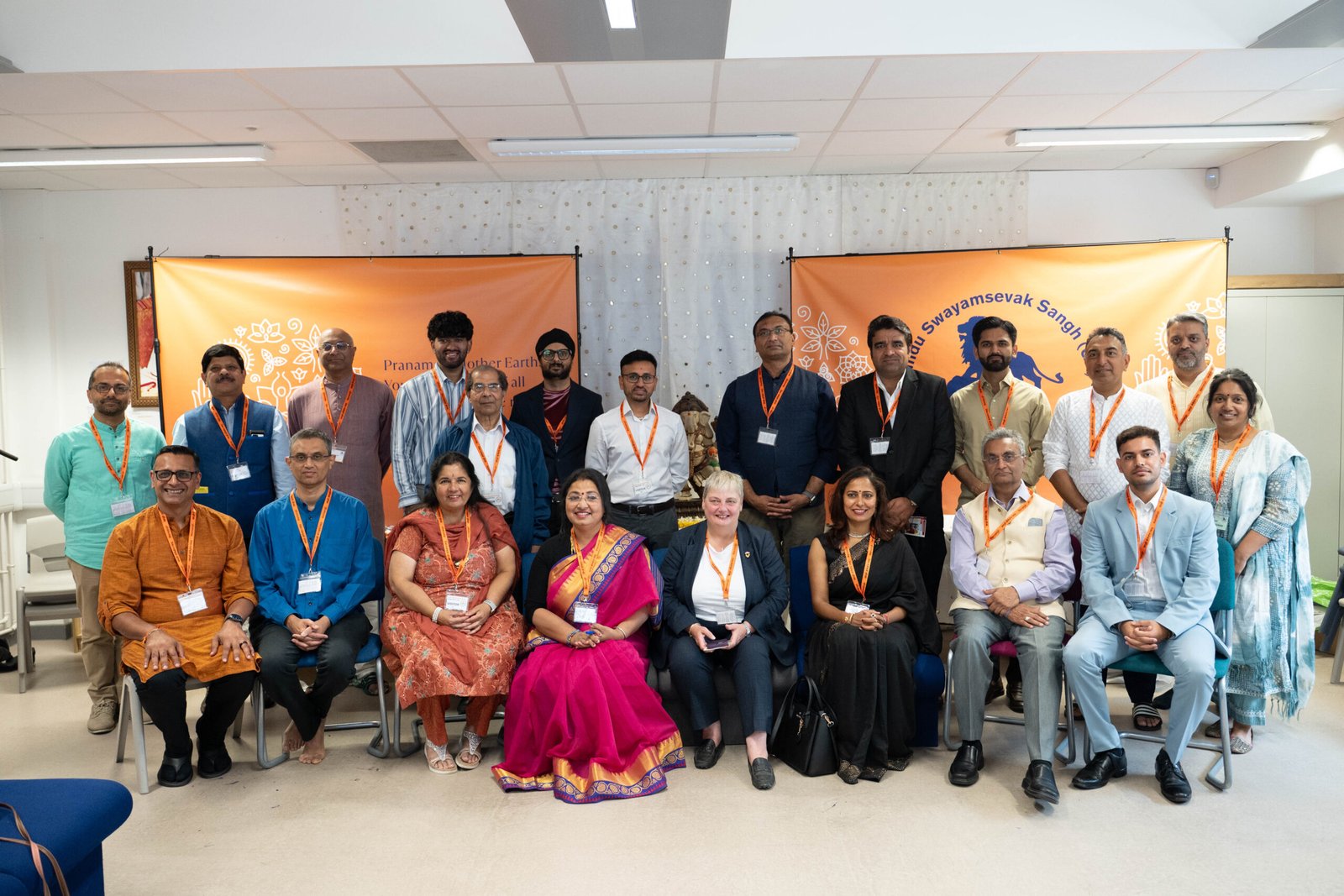
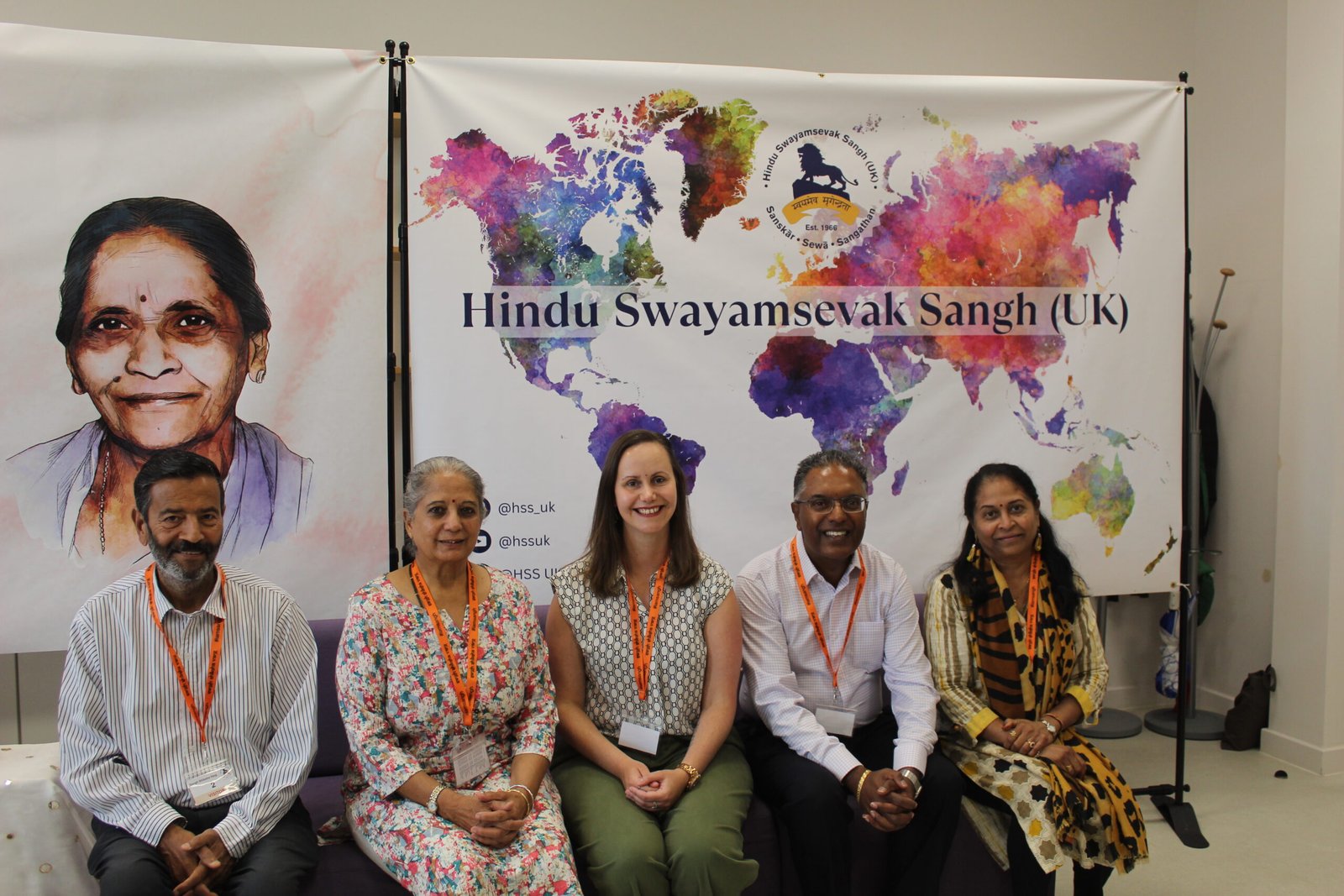
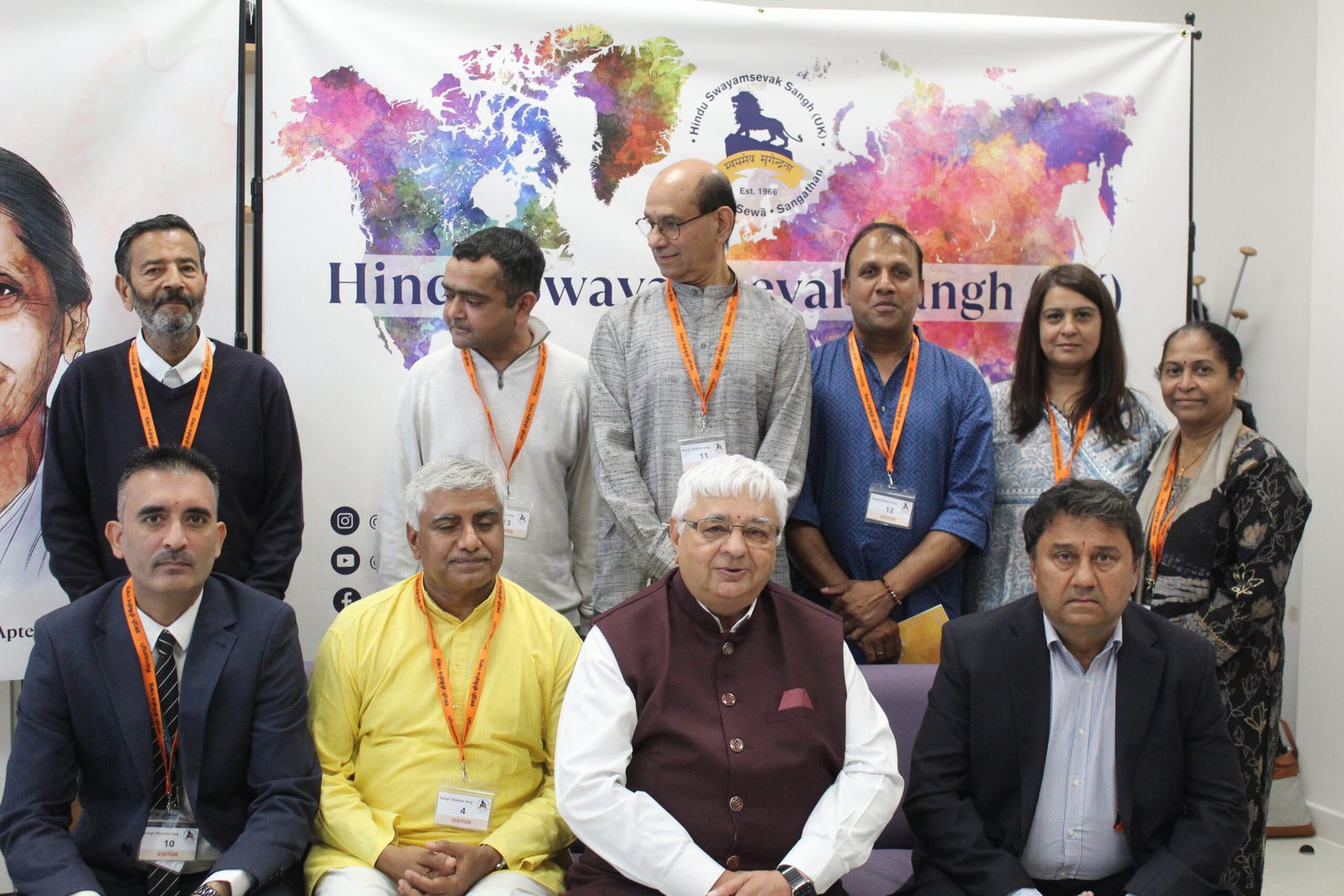
The focus on community outreach was equally impressive, with over 190 representatives from external organisations invited to tour the facilities and experience the SSV learning environment. Visitors included representatives from charities, community groups, religious organisations, Mayors, local councillors, and interfaith communities.
Pauline Jorgenson, councillor for Wokingham Borough Council, praised the organisation’s impact: “HSS do a huge amount for education and charity, and the atmosphere for all attendees, young and old, was amazing.”
Developing Tomorrow’s Leaders
The SSV curriculum is built around three fundamental principles: Sanskar (cultivating Dharmic values and character), Sewa (selfless service to community), and Sanghathan (unity and organisation). Participants engage in activities designed to develop practical leadership skills alongside traditional Hindu values.
For university student Eeshaan, a former graduate of SSV, the experience offered unexpected insights: “We’ve spoken about how SSV is an environment orchestrated for participants to immerse in Sangh. But this year, I learnt that it’s also an environment built to help teachers develop into better leaders.”
The programme culminates in a presentation day where family members witness demonstrations of the skills and knowledge participants have developed throughout their week-long intensive training.
Five Decades of Impact
Since 1975, SSV has produced graduates who continue to serve their communities whilst taking their developed skills into professional careers, government, and entrepreneurship. The programme’s emphasis on developing “responsible citizens” without ego continues to resonate with new generations.

By Harsh Admin